Resetting the tire pressure light on your Hyundai Elantra isn’t as simple as just pressing a button. This warning can mean your tires are under-inflated, which affects safety, fuel efficiency, and tire life. Sometimes, even after you inflate the tires, the light stays on.
That can be frustrating, but with the right steps, you can fix it yourself and avoid a trip to the mechanic.
Understanding how the tire pressure monitoring system (TPMS) works, why the light comes on, and how to reset it is essential for every Elantra owner. This guide will walk you through the process, show common mistakes, and explain how to keep the TPMS working reliably.
Whether you drive a recent Elantra or an older model, these instructions will help you confidently reset the tire pressure light.
Why Tire Pressure Light Comes On
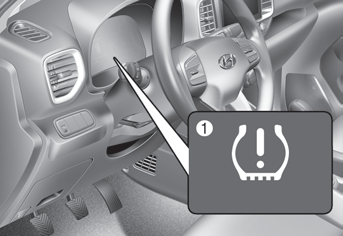
The tire pressure light is part of the TPMS. It alerts you when one or more tires are below the recommended air pressure. Here are the main reasons it may turn on:
- Low tire pressure: Often caused by cold weather, slow leaks, or normal air loss.
- Tire puncture: A nail or sharp object can cause a sudden drop.
- Sensor issues: TPMS sensors can fail, lose battery power, or malfunction.
- Recent tire service: After changing tires or rotating them, the system may need recalibration.
Hyundai Elantra models from 2011 onward all have TPMS. The system checks each tire’s pressure and sends data to the car’s computer. If pressure falls below 25% of the recommended level, the light turns on.
How Tpms Works In Hyundai Elantra
Understanding your car’s TPMS helps you fix problems faster. There are two types used in Elantra:
| TPMS Type | Description | Common Models |
|---|---|---|
| Direct TPMS | Sensors in each tire send real-time pressure data. | 2011–2024 Elantra |
| Indirect TPMS | Uses wheel speed sensors to estimate pressure (not common in Elantra). | Rare in Hyundai Elantra |
Most Elantras use direct TPMS. Each tire has a sensor attached to the valve stem. When pressure drops, the sensor sends a signal to the dashboard light.
Credit: blogs.rosenhyundai.com
Recommended Tire Pressure For Hyundai Elantra
Before resetting the light, always check your tire pressure. For most Elantra models, the recommended values are:
| Model Year | Front Tires (psi) | Rear Tires (psi) |
|---|---|---|
| 2011–2016 | 32 | 32 |
| 2017–2024 | 33 | 33 |
Check the sticker on your driver’s door for exact numbers. Over-inflating or under-inflating can trigger the warning or cause uneven tire wear.
Step-by-step: Resetting Tire Pressure Light Hyundai Elantra
Follow these steps to reset the light safely and effectively:
1. Park And Check Tire Pressure
- Park your Elantra on a flat surface.
- Use a digital tire gauge for accuracy.
- Measure all four tires, plus the spare if your Elantra has a sensor on it.
If any tire is low, inflate it to the recommended psi. Don’t rely on gas station gauges—they’re often inaccurate.
2. Inflate Tires To Correct Pressure
- Use a home compressor or visit a reliable gas station.
- Inflate each tire to the recommended psi.
- Double-check after inflating to avoid overfilling.
3. Drive To Activate Tpms
- Start your Elantra.
- Drive at least 20–30 minutes at speeds above 15 mph.
- This helps the TPMS sensors recheck pressure and send data.
Most Elantra models reset the light automatically after you drive with correct pressure. Sometimes, the process takes a few miles—be patient.
4. Manual Tpms Reset (if Light Stays On)
If the light doesn’t turn off after driving, try this:
- Turn off the car.
- Turn the ignition to “ON” (do not start the engine).
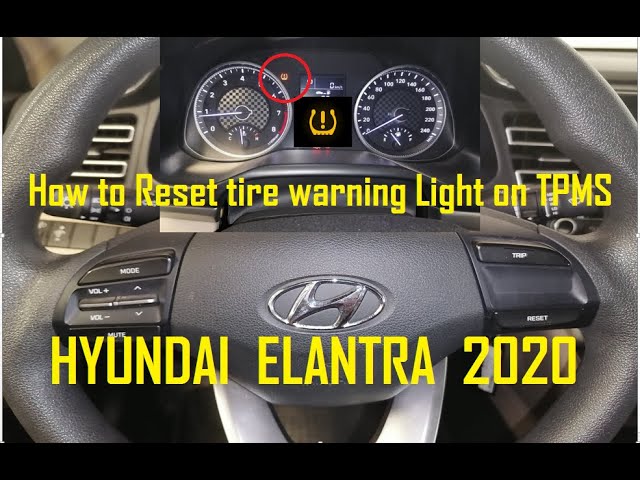
- Locate the TPMS reset button under the steering wheel or near the fuse box (not all models have this button).
- Press and hold the button until the light blinks three times.
- Start the car and drive for 10–20 minutes.
If your Elantra doesn’t have a reset button, skip this step. The system should reset automatically.
5. Check For Sensor Issues
If the light still stays on, one or more sensors may be faulty. Common signs:
- The TPMS light blinks, then stays solid.
- One tire always reads low, even after inflating.
A professional mechanic can scan the system and identify faulty sensors. Replacing a sensor costs $60–$120 per tire, depending on model and location.
Credit: www.youtube.com
Common Mistakes When Resetting Tpms
Many Elantra owners make these mistakes:
- Ignoring the spare tire: Some models have a sensor in the spare. If you don’t check it, the light stays on.
- Using inaccurate gauges: Cheap or old gauges can give wrong readings. Invest in a good digital gauge.
- Not driving after inflating: The system often needs a drive cycle to reset.
- Resetting before inflating: Always fix pressure first, then reset.
A non-obvious tip: After inflating, wait a few minutes before driving. Sensors sometimes need time to detect the change.
How To Tell If Tpms Sensors Are Failing
TPMS sensors usually last 5–8 years. Signs of failure include:
- TPMS light blinks: Indicates sensor or system error.
- Erratic readings: Pressure jumps or is inconsistent.
- Battery low warning: Some newer Elantras show battery status in the dashboard.
If one sensor fails, others may follow soon. It’s wise to replace all sensors if your car is over 7 years old.
Resetting Tpms After Tire Rotation Or Replacement
Any time you rotate or replace tires, the system may need recalibration. Steps:
- Inflate all tires to correct pressure.
- Drive for at least 20 minutes.
- If the light stays on, check for sensor location errors (sometimes sensors are swapped during tire rotation).
- Some models require a special TPMS tool to reprogram sensors—most tire shops have this device.
Don’t assume tire shops always reset the system. Double-check before leaving.
Hyundai Elantra Tpms Vs Other Brands
How Does Elantra’s Tpms Compare To Competitors?
| Brand | TPMS Type | Reset Process | Sensor Battery Life |
|---|---|---|---|
| Hyundai Elantra | Direct | Auto/manual | 5–8 years |
| Toyota Corolla | Direct | Auto/manual | 7–10 years |
| Honda Civic | Indirect | Manual only | N/A |
| Ford Focus | Direct | Manual only | 6–9 years |
Elantra’s system is reliable and usually resets automatically. Toyota’s sensors last longer but cost more to replace.

Credit: stivershyundai.com
Practical Tips For Reliable Tpms Reset
- Always check tire pressure when tires are cold (before driving).
- Record psi readings for each tire—helps spot slow leaks.
- If you drive in cold climates, expect pressure drops in winter. Inflate a few psi above the recommended value, but not more than 2–3 psi.
- Don’t ignore a flashing TPMS light—it means a system error, not just low pressure.
An insight many miss: The TPMS system can’t detect rapid leaks. If a tire blows out, the light may come on too late. Always check tires visually for damage.
What To Do If The Tire Pressure Light Won’t Reset
If you’ve checked all tires, inflated them, driven, and tried manual reset but the light still won’t turn off:
- Visit a trusted mechanic or Hyundai dealership.
- Ask for a TPMS scan—most shops have special tools.
- Consider sensor replacement if your car is 7+ years old.
- Check for wiring or computer issues (rare but possible).
Don’t ignore a persistent TPMS warning. It can lead to unsafe driving conditions or costly repairs.
How Weather And Temperature Affect Tire Pressure
Cold air causes tire pressure to drop. For every 10°F decrease in temperature, tire pressure falls about 1–2 psi. This is why the TPMS light often comes on in winter mornings.
To prevent false warnings:
- Check tires monthly, especially when seasons change.
- Inflate tires to recommended pressure plus 1–2 psi in winter.
Many drivers think the light means a dangerous leak, but it’s often just weather-related.
When To Replace Tpms Sensors
- If sensors fail or batteries die (usually after 5–8 years).
- After major tire repair or replacement.
- If TPMS warning light flashes and won’t reset.
Sensors are available at auto parts stores and dealerships. Some aftermarket sensors are cheaper but may not last as long as OEM parts.
Frequently Asked Questions
How Long Does It Take For The Tire Pressure Light To Reset After Inflating?
Usually, the light turns off after driving 20–30 minutes at speeds above 15 mph. If it stays on, check all tires again and try manual reset.
Can I Reset The Tire Pressure Light Without A Tpms Reset Button?
Yes. Most Hyundai Elantra models reset the light automatically after inflating tires and driving. Only a few models have a reset button.
What Happens If I Ignore The Tire Pressure Warning Light?
Ignoring the warning can lead to poor fuel efficiency, uneven tire wear, and higher risk of blowouts. Always check tires when the light comes on.
Is It Safe To Drive With The Tire Pressure Light On?
It’s not recommended. Low tire pressure affects handling, braking, and safety. Fix the issue as soon as possible.
How Much Does It Cost To Replace A Tpms Sensor In A Hyundai Elantra?
Each sensor costs $60–$120, depending on the model and location. Labor costs vary. It’s often cheaper to replace all sensors at once if your car is older.
Resetting the tire pressure light on your Hyundai Elantra is simple if you follow the right steps. Always check tire pressure with a reliable gauge, inflate to the correct psi, and drive to activate the system. If the light won’t reset, check for sensor issues and consult a professional. Keeping your TPMS working ensures safe, efficient driving and extends tire life. For more details on TPMS technology, visit the Wikipedia Tire Pressure Monitoring System page.