A flat tire always seems to happen at the worst moment. Maybe you’re late for work, or driving on a quiet road, and suddenly your car feels heavy and slow. You pull over and see that one tire is deflated.
Most people know this situation, but few understand what really causes a flat tire. Knowing the reasons can help you avoid trouble, save money, and even stay safer on the road.
This article explains the main causes of a flat tire in clear, practical language. We’ll look at common factors, unexpected risks, and give you tips to spot problems early. Whether you drive every day or only sometimes, this guide will help you feel more confident about your tires.
Common Causes Of A Flat Tire
Most flat tires happen because of everyday hazards. Here are the most frequent reasons:
Puncture By Sharp Objects
The number one cause is puncture. Small, sharp items like nails, glass, or metal shards can cut into the tire as you drive. The hole lets air escape, causing a slow or sudden flat.
- Roads with construction zones or debris are much riskier.
- Sometimes, the puncture is so small you don’t notice until the tire is almost empty.
Valve Stem Problems
The valve stem is where you add air to your tire. If it’s damaged, cracked, or loose, air will leak out. This can happen from:
- Age and weather, which cause the rubber to dry and crack.
- Improper installation or impact, like hitting a curb.
Valve stem leaks are often slow but steady, leading to a flat over days or weeks.
Tire Bead Leaks
The tire bead is the edge that seals the tire to the wheel. If dirt, corrosion, or damage affects this area, air can leak even if the tire looks fine.
- Bead leaks are more common on older wheels with rust.
- Sometimes, improper mounting during tire changes causes bead problems.
Sidewall Damage
The sidewall is the tire’s outer surface. Unlike the tread, the sidewall is thin. If it gets cut, scraped, or pinched, it can burst suddenly.
- Hitting a pothole or curb can cause hidden sidewall cracks.
- Sidewall damage often leads to a fast, dangerous flat.
Over-inflation And Under-inflation
Both too much air and too little air can damage tires:
- Over-inflated tires are harder, making them more likely to burst on impact.
- Under-inflated tires flex more, heating up and wearing out faster.
Studies from the National Highway Traffic Safety Administration (NHTSA) show under-inflation is linked to over 75% of tire failures.
Impact Damage
Driving over potholes, curbs, or speed bumps can bend the wheel or damage the tire. A hard impact may cause a slow leak, or a sudden blowout.
Old Age And Wear
Tires have a lifespan, usually 5-6 years. After this, the rubber weakens. Even if the tread looks good, old tires are prone to leaks and flats.
- Check the manufacturing date on the tire’s sidewall. Replace tires after six years, even if they seem fine.
Less Obvious Causes Of Flat Tires
Some flat tire causes are not obvious, but they can surprise you.
Extreme Temperature Changes
Sudden changes in weather, especially cold, make air inside the tire contract. This can cause pressure to drop, especially in winter.
- A drop in temperature of 10°F can reduce tire pressure by 1-2 psi.
- If the tire is already low, this can trigger a flat overnight.
Faulty Tire Repair
If a tire was patched or plugged poorly, the repair can fail. Air may leak from the fixed area, sometimes months later.
- Always use a trusted shop for repairs.
- Ask about the methods they use, and check reviews.
Leaking Wheel Rim
Sometimes, the wheel itself is the problem. Corrosion or damage on the rim can cause air to escape, even if the tire is healthy.
Vandalism
Rare but real, someone may deliberately puncture your tire. This includes slashing, cutting, or pulling the valve stem.
- If you park in a risky area, check tires before driving.

Credit: castletireshop.com
Data Comparison: Common Vs Rare Causes
To help you understand how often each cause happens, see the comparison below:
| Cause | Estimated Frequency (%) | Typical Result |
|---|---|---|
| Puncture by Objects | 55% | Slow or sudden flat |
| Valve Stem Issues | 15% | Gradual air loss |
| Bead/Rim Leaks | 10% | Persistent slow leak |
| Sidewall Damage | 8% | Rapid blowout |
| Other Causes | 12% | Varied |
How To Spot A Flat Tire Early
Knowing the signs can prevent being stranded. Here are practical ways to spot trouble:
Visual Signs
- Look for bulges, cuts, or objects stuck in the tire.
- Check the tire pressure regularly. If one tire looks lower, inspect it closely.
Driving Feel
- Notice if the car pulls to one side.
- Listen for a thumping noise or feel extra vibration.
- If the steering feels heavy, check your tires.
Tire Pressure Monitoring System (tpms)
Modern cars have a TPMS that warns you if a tire is low. But some systems only alert when the pressure is very low.
- Don’t rely only on TPMS. Check with a gauge monthly.
Preventing Flat Tires: Practical Tips
Flat tires are not always avoidable, but you can reduce the risk:
- Check tire pressure at least once a month. Use a reliable gauge.
- Inspect tires for cracks, cuts, or objects after long trips or rough roads.
- Avoid driving over debris and potholes whenever possible.
- Replace old tires before their lifespan ends, even if tread looks good.
- Use quality repair shops for patches or plug jobs.
- Park in safe areas to prevent vandalism.
Many drivers skip tire checks, thinking it’s not urgent. But regular maintenance takes only a few minutes and can prevent expensive repairs or accidents.
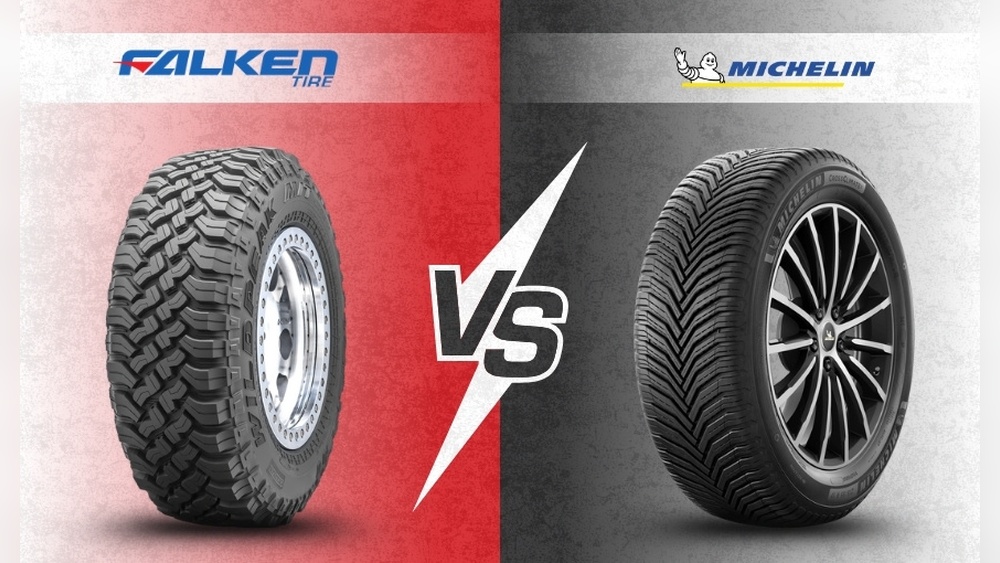
Comparing Tire Types And Flat Risks
Different tires have different risks of going flat. Here’s a quick comparison:
| Tire Type | Flat Risk | Typical Lifespan |
|---|---|---|
| Standard All-Season | Moderate | 5-6 years |
| Performance Tires | Higher | 3-4 years |
| Run-Flat Tires | Lower | 4-5 years |
| Off-Road Tires | Higher (on roads) | 3-5 years |
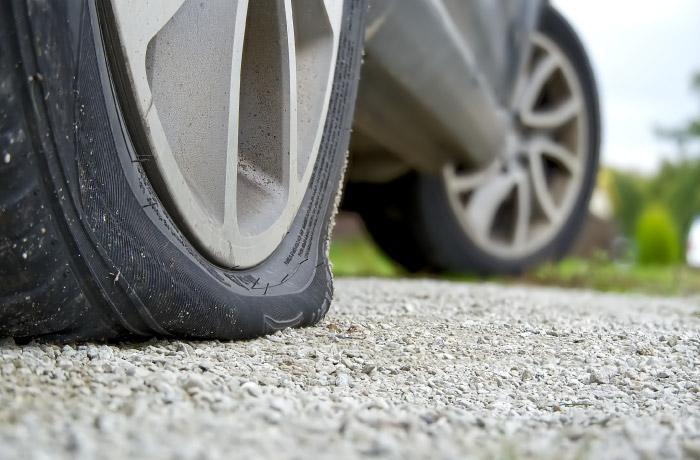
Run-flat tires can drive short distances even when punctured, but they are more expensive and harder to repair.
Credit: www.carcility.com
Real-life Example: Unexpected Flat Tire
Imagine you’re driving home after work. The road is clean, but suddenly your car vibrates. You stop and see a screw stuck in your tire. It wasn’t visible, and you never drove through a construction zone.
This shows that punctures can happen anywhere, not just in messy or risky areas. Sometimes debris falls from other vehicles, or is blown by wind.
Another common story: A driver ignores a slow leak for weeks. One day, the tire is flat in the morning, making them late. Regular checks could have prevented this.
The Role Of Tire Maintenance And Quality
Many people think any tire will do. But quality matters. Cheap tires often use weaker rubber, making them more likely to fail. Investing in good tires can save money in the long run.
- Always check for DOT certification and reviews before buying.
- Rotate tires every 6,000 miles for even wear.
- Replace tires as a set if possible, to maintain balance and safety.
Flat Tire Statistics
Here are some numbers that show how common flat tires are:
- The average American driver experiences one flat tire every 7 years.
- Over 220 million tires are replaced each year in the US.
- Under-inflated tires are linked to at least 11,000 accidents annually.
These numbers highlight the importance of proper care and awareness.
Comparison: Temporary Vs Permanent Repairs
When you get a flat, you can choose temporary or permanent fixes. Here’s how they compare:
| Repair Type | Advantages | Drawbacks |
|---|---|---|
| Plug/Sealant | Quick, cheap | Short-term only |
| Patch | Long-lasting, safe | Needs professional installation |
| Replace Tire | Permanent, safest | Costly |
Always get a permanent patch or replacement if the damage is near the sidewall or large.
Credit: www.centerlinedrivers.com
Non-obvious Tips For Avoiding Flats
Most guides suggest checking pressure and avoiding debris. Here are two less obvious tips:
- Rotate your tires regularly. This spreads wear evenly, reducing weak spots.
- Check wheel rims for corrosion—especially in humid areas. Even a small amount of rust can cause leaks.
When To Seek Professional Help
If you notice repeated pressure loss, bulges, or damage to the sidewall, see a mechanic immediately. Sometimes, a flat tire is a sign of bigger issues like wheel alignment or suspension problems.
A certified repair shop can:
- Inspect for hidden damage.
- Use proper tools for safe repairs.
- Advise if you need a full replacement.
For more in-depth information, you can visit the National Highway Traffic Safety Administration.
Frequently Asked Questions
What Should I Do If I Get A Flat Tire While Driving?
Stay calm and pull over safely. Turn on hazard lights. If you have a spare, change the tire; if not, call for roadside help. Never drive on a flat—it can damage your wheel.
Can I Drive On A Flat Tire For A Short Distance?
No. Driving even a mile on a flat can ruin the tire and wheel. Use a run-flat tire if you have one, or call for help.
How Often Should I Check My Tire Pressure?
Check tire pressure at least once a month, and before long trips. Use a digital gauge for accurate results.
What’s The Best Way To Prevent Flat Tires?
Regular maintenance is key. Keep tires inflated, inspect for damage, avoid debris, and replace old tires. Rotate tires every 6,000 miles.
Are Tire Sealants Safe For Fixing Flats?
Tire sealants can work for small punctures, but they are temporary. Always get a permanent repair as soon as possible.
A flat tire can be stressful, but understanding the causes and prevention methods makes all the difference. With regular checks and careful driving, you can lower your risk and feel more secure on the road. If you suspect trouble, act quickly—your safety and your wallet will thank you.