When you look at your tire, you may notice a code like P235 printed on the sidewall. This code is more than a random set of numbers—it tells you important information about the tire’s size, type, and performance. If you want to understand tires better, knowing what P235 means can help you choose the right tires, drive safely, and get the best value for your money.
What Does P235 Mean?
The code P235 is part of a longer tire size marking, usually found on the tire’s side. For example, you might see P235/75R15. Let’s break down the meaning:
- P stands for Passenger. This means the tire is made for passenger vehicles like cars, SUVs, and light trucks.
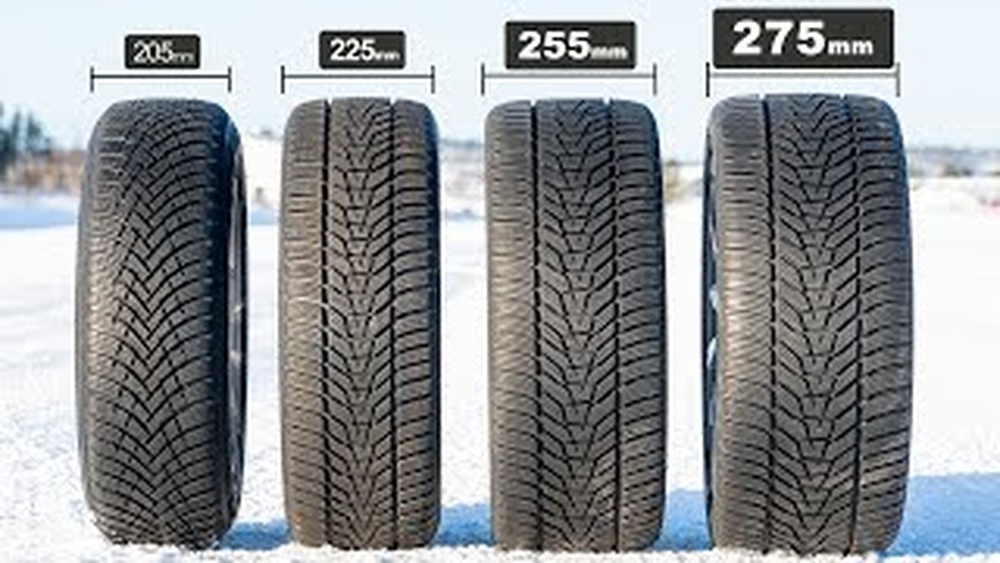
- 235 is the tire width in millimeters. It measures the distance from one sidewall to the other.
So, P235 means you have a tire designed for passenger vehicles, and it is 235 millimeters wide.
Some tires have other letters, like LT for light trucks or T for temporary spares, but P is the most common for regular cars. Knowing this helps you avoid confusion when shopping for new tires.
Why Tire Width Matters
The width of the tire affects several things:
- Grip: A wider tire (like 235 mm) has more contact with the road, improving traction and stability. This is especially useful when driving in rain or taking sharp turns.
- Handling: Wider tires can handle better, especially when turning or driving at high speeds. Cars with wider tires often feel more “planted” on the road.
- Comfort: The width changes how the tire absorbs bumps and feels on the road. Wider tires may soften some bumps but can also make the ride firmer, depending on the tire design.
But wider is not always better. If the tire is too wide for your car, it can cause problems with fit and performance. For example, it may rub against the inside of the wheel well or reduce how easily you can steer.
Many people overlook how tire width affects driving in different weather. In heavy rain, wider tires can push more water but may hydroplane sooner if the tread is worn. In snow, narrower tires can cut through better, while wider tires may slide more easily.
So, choosing the right width is about more than just looks or grip.
The Complete Tire Code
You rarely see just P235. Usually, the code includes other numbers and letters. Here’s what a full code like P235/75R15 tells you:
- P: Tire type (Passenger)
- 235: Tire width in millimeters
- 75: Aspect ratio (height of sidewall as a percentage of width)
- R: Radial construction
- 15: Diameter of the wheel (in inches)
Each part of the code gives you important information for choosing the right tire.
The aspect ratio is a detail many drivers miss. It changes how tall the tire is. For example, a 75 aspect ratio means the sidewall height is 75% of the width (235 mm). Lower aspect ratios make tires look sportier and often improve handling but can make the ride harsher.
Radial construction (R) is standard now, but some older tires use bias-ply (B). Radial tires are stronger, last longer, and perform better. The wheel diameter (like 15) must match your car’s wheels exactly. If you get this wrong, the tire won’t fit or may cause unsafe driving.
Understanding Tire Width: 235 Mm
A tire marked 235 is 235 millimeters wide. To help you see how this compares to other common tire widths, here’s a simple table:
| Width (mm) | Typical Vehicle Type | Road Contact |
|---|---|---|
| 185 | Small car | Narrow |
| 205 | Compact/Sedan | Medium |
| 235 | SUV/Large sedan | Wide |
| 265 | Truck/SUV | Extra wide |
The 235 mm width is common for larger sedans, SUVs, and light trucks. It gives a balance of grip and comfort.
Choosing the right width can also impact tire life. Wider tires may wear faster on the edges if not rotated regularly. They also offer more space for tread patterns, which can help in different weather conditions. For families who drive bigger vehicles, a 235 mm tire is often the best choice for safety and comfort.

Credit: www.honda.ca
How P235 Tires Compare To Other Sizes
If you compare a P235 tire to a P205 tire, you’ll notice some differences:
- P235 tires have more road contact, improving grip and braking.
- P205 tires may be lighter and use less fuel, but can have less traction.
Here’s a comparison table:
| Feature | P235 | P205 |
|---|---|---|
| Width | 235 mm | 205 mm |
| Grip | High | Medium |
| Fuel Efficiency | Medium | High |
| Comfort | Good | Moderate |
A wider tire is heavier, which can affect acceleration and braking. For example, a car with P235 tires might stop faster in dry conditions, but a car with P205 tires might be easier to handle in tight spaces and save a little on gas.
Also, tire costs can change with size. P235 tires are usually a bit more expensive than narrower ones, but the price difference is often small compared to the benefits in grip and safety.
Choosing The Right Tire: Is P235 For You?
When deciding if P235 tires are right for your car, consider:
- Vehicle size: Larger vehicles often need wider tires like 235 mm.
- Driving style: If you drive fast or want better handling, wider tires can help.
- Weather: Wider tires handle wet roads better, but can be worse in deep snow.
Many drivers make the mistake of thinking wider tires always mean better performance. But the wrong width can cause rubbing, poor handling, or extra fuel use.
Another detail is wheel size. Sometimes, people want to change the look of their car by using bigger wheels. If you do this, you may need to adjust tire width and aspect ratio so the overall size stays correct. Otherwise, your speedometer, ride comfort, and even braking can be affected.

Credit: www.discountedwheelwarehouse.com
P235 In The Tire Industry
The P235 size is popular and used by many tire brands. It fits a wide range of vehicles and is available in different models—summer, all-season, and winter tires.
A typical P235 tire may weigh between 25–35 pounds, depending on construction and brand. It usually fits wheels from 15 to 18 inches in diameter.
Manufacturers often use this size as a standard for their SUVs and crossovers because it combines stability with comfort. You can find P235 tires with features like noise reduction, extra grip, or improved tread life. Many brands offer warranties that cover several years or tens of thousands of miles for this size.
Example Vehicles Using P235 Tires
Many vehicles use P235 tires. Some examples:
- Toyota Highlander
- Ford Explorer
- Honda Pilot
- Chevrolet Malibu
- Nissan Altima
Always check your car’s manual or the sticker inside the driver’s door to see the recommended tire size.
It’s also common for these vehicles to use different tire sizes for front and rear wheels. For instance, some SUVs offer optional wheel upgrades that require wider tires. Double-check your exact model and trim level before buying.
Non-obvious Insights About P235 Tires
- Tire width affects speedometer accuracy. If you change from a narrower tire to a P235 tire without adjusting the aspect ratio or wheel diameter, your speedometer can show incorrect speed.
- P235 tires can change ride height. Wider tires sometimes have taller sidewalls, which can slightly lift your car and affect handling.
- Wider tires can hydroplane more easily. On wet roads, wider tires like P235 may float over water, especially if the tread is worn.
- Insurance rates may change. Some insurers ask about tire size changes, as wider tires can affect safety ratings.
Another thing many people miss: wider tires can make turning harder, especially at low speeds. If your steering feels heavier after switching to P235, this could be why. Also, wider tires may pick up more stones or debris, so check them regularly.
How Tire Width Affects Fuel Economy
Wider tires, including P235, have more rolling resistance. This means the engine works harder, and you may use more gas. According to the U.S. Department of Energy, using wider tires can reduce fuel economy by 1–2 miles per gallon.
However, the difference is small for most drivers. If you want the best fuel economy, choose the size recommended by your car’s maker.
One tip: keep your tires inflated to the proper pressure. Under-inflated tires waste even more fuel and cause uneven wear. It’s a simple habit that many people forget, but it saves money and keeps you safe.
Tire Safety And P235 Tires
Safety is always important. With P235 tires, you must:
- Check for proper fit. Too wide can rub on the wheel well.
- Maintain correct air pressure. Wider tires need accurate inflation.
- Rotate tires regularly. Wider tires can wear faster on the edges.
Many drivers ignore these steps and face early tire wear or unsafe driving.
If you drive at high speeds, wider tires are more likely to overheat if not maintained correctly. Always inspect tires for cracks, bulges, or unusual wear, especially after long trips. Tire shops can check alignment, which is vital for wider tires.
Comparing P235 With Other Tire Types
Not all tires are marked P. You may see:
- LT235: Light truck tire, for heavier loads.
- T235: Temporary spare tire.
- No letter: European tires may skip the letter.
Here’s a comparison table:
| Marking | Use | Load Capacity |
|---|---|---|
| P235 | Passenger vehicles | Standard |
| LT235 | Light trucks/SUVs | High |
| T235 | Spare tire | Low |
LT tires usually have tougher construction and can handle more weight. If you carry heavy loads or tow trailers, consider LT235 instead of P235. T235 tires are only for temporary use and should not be used for regular driving.
What To Check When Buying P235 Tires
When buying P235 tires, look for:
- Brand reputation: Choose trusted brands for safety and durability.
- Tread pattern: Different patterns suit different weather.
- Load and speed rating: Make sure the tire matches your vehicle’s needs.
Avoid buying tires just because they are wide. Make sure they fit your car’s wheels and driving conditions.
Also, check the manufacturing date on the sidewall. Older tires, even if unused, can be unsafe. Ask your tire dealer about warranties and return policies. Many shops offer free balancing or installation with new tires.
How To Read Tire Codes
The full tire code tells you everything you need:
- P235/60R18 102T
- P: Passenger
- 235: Width in mm
- 60: Sidewall height (60% of width)
- R: Radial
- 18: Wheel diameter in inches
- 102: Load index
- T: Speed rating
Knowing how to read this code helps you avoid mistakes when buying tires.
For example, a tire with a speed rating of T is safe up to 118 mph (190 km/h). If you drive faster, look for a higher rating. The load index tells you how much weight each tire can carry. Don’t guess—always check your vehicle requirements.

Credit: www.discountedwheelwarehouse.com
Frequently Asked Questions
What Does The “p” In P235 Mean?
The P stands for Passenger. It tells you the tire is made for cars, SUVs, and light trucks—not heavy vehicles.
Can I Use P235 Tires On Any Car?
No. You must check your car’s manual or the sticker on the driver’s door. Using the wrong size can cause problems with handling and safety.
Are Wider Tires Always Better?
Not always. While P235 tires give more grip, they can use more fuel and may not fit all vehicles. Always use the size recommended by your car’s maker.
How Do I Know If P235 Fits My Wheels?
Check the wheel diameter in the tire code (for example, P235/75R15 fits 15-inch wheels). Make sure your wheels match the tire’s diameter and width.
Where Can I Learn More About Tire Codes?
You can read more at the official Wikipedia Tire Code page, which explains all the markings and meanings.
Understanding what P235 means on tires gives you the power to make smarter choices, improve safety, and enjoy a better driving experience. Always check your vehicle’s requirements, ask for expert advice, and choose quality tires for the best results.