Understanding The Markup On Tires: How Prices Are Set
If you have ever bought new tires, you might have wondered why prices can vary so much between stores, brands, or even regions. The difference between what a tire store pays for a tire and what you pay is called the markup. But how is this markup determined? What affects it? And how can you make sure you’re not overpaying? Let’s take a closer look at the real costs behind tire pricing, and what you should know before buying.
What Does Markup Mean In Tire Sales?
Markup is the extra amount added to the cost price by retailers to cover their expenses and make a profit. For tires, the process starts with the manufacturer selling to wholesalers or directly to retailers. The retail price you see includes the original cost, operating expenses, and profit margin.
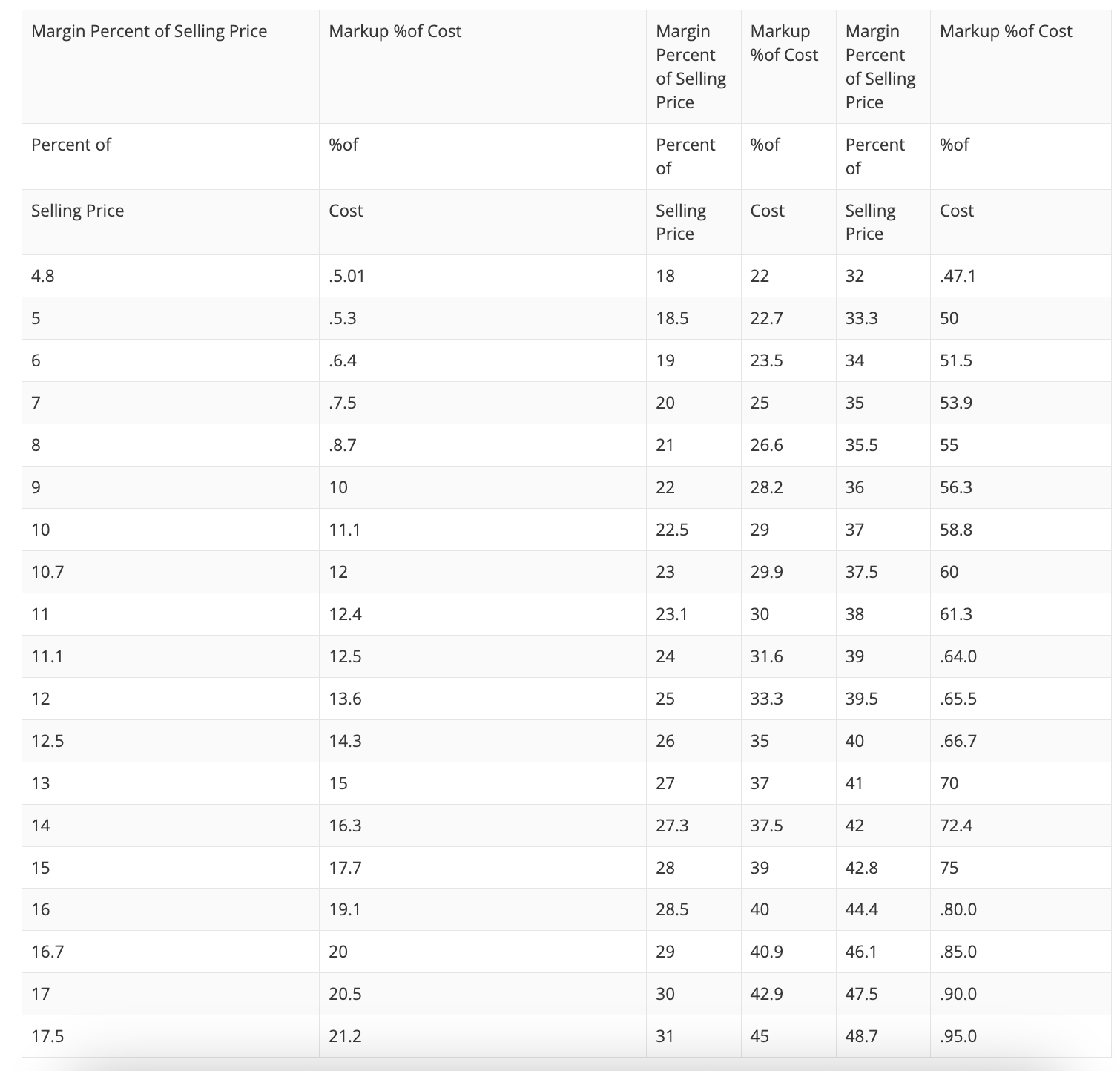
For example, if a retailer buys a tire for $80 and sells it for $120, the markup is $40. But this doesn’t mean the store makes $40 profit—there are other costs like rent, wages, and marketing.
Typical Tire Markup Percentages
Markups on tires can be surprisingly different depending on the store, brand, and type of tire. Here are some common ranges:
- Passenger car tires: 15% to 40%
- Truck and SUV tires: 10% to 30%
- Specialty tires (performance, winter, off-road): 20% to 50%
Many large tire chains have lower markups, often between 10% and 20%, because they sell more tires and negotiate better prices. Small independent shops may have higher markups, sometimes up to 40%, to cover their higher operating costs.
Let’s compare how markup affects the final price:
| Type | Wholesale Price | Typical Markup | Retail Price |
|---|---|---|---|
| Passenger Car Tire | $80 | 25% | $100 |
| SUV Tire | $120 | 20% | $144 |
| Performance Tire | $150 | 35% | $202.50 |
Key Factors Influencing Tire Markup
Several factors impact how much markup is added to a tire. Understanding these can help you recognize why prices are so varied.
1. Brand And Manufacturer Reputation
Premium brands like Michelin or Goodyear often have higher markups because people trust their quality and are willing to pay more. Lesser-known brands may have lower markups to attract buyers.
2. Tire Type And Technology
High-performance tires, specialty tires (like winter or mud tires), and run-flat tires have more advanced technology and materials. This increases wholesale costs, and retailers often add a higher markup.
3. Store Size And Location
Large national chains can buy in bulk, getting better deals and passing some savings to customers. Small shops have higher overhead and less negotiating power, so they add more markup.
4. Regional Differences
In regions with higher demand (urban areas, places with harsh winters), markup might be higher. Shipping costs and local taxes also affect the final price.
5. Inventory Costs
Tires are bulky and expensive to store. Retailers factor in warehouse space, insurance, and risk of unsold inventory when setting markup.
6. Competition
If a store is in a competitive market with many tire sellers, markups are often lower to attract customers. In areas with few options, markups can be much higher.
7. Seasonality
During winter or summer tire changeovers, demand spikes. Some stores increase markups when demand is high.
How Retailers Calculate Tire Pricing
Retailers use a mix of cost-based, market-based, and value-based pricing. Here’s a simplified breakdown:
- Wholesale cost: What the store pays per tire.
- Operating costs: Rent, staff, utilities, advertising.
- Desired profit margin: Usually a percentage, often between 10% and 40%.
- Market pricing: Checking competitor prices.
- Customer value perception: If the tire is seen as premium or essential, markup may be higher.
For example, a store buys a tire for $90. Operating costs per tire are $15. The store wants a profit margin of 20%. Final price is:
- Cost: $90
- Operating: $15
- Profit (20% of $105): $21
- Retail price: $126
Credit: www.hansenwheel.com
Hidden Costs Included In Tire Markup
When you buy tires, you’re often paying for more than just rubber and tread. Here are some hidden costs included in the markup:
- Installation and balancing: Many stores bundle these services into the price or charge extra.
- Warranty coverage: Some tires include road hazard warranties or free rotations.
- Disposal fees: Old tires must be disposed of safely, and stores pay fees for this.
- Marketing and promotions: Discounts and advertising are baked into the price.
- Credit card fees: Retailers pay fees for credit card transactions, usually 2-3%.
These costs explain why tires may seem expensive compared to the wholesale price.
How Markup Differs Between Online And Local Stores
Online tire retailers often have lower markups because they have less overhead and can reach more buyers. Local stores must pay for rent, utilities, and labor. However, online prices may not include installation or balancing.
Here’s a comparison of online vs. local store pricing:
| Source | Wholesale Price | Markup | Retail Price | Service Included? |
|---|---|---|---|---|
| Online Retailer | $90 | 15% | $103.50 | No |
| Local Store | $90 | 30% | $117 | Yes |
Non-obvious insight: While online prices look cheaper, you need to add installation costs (usually $15–$25 per tire) and shipping fees. Sometimes, the final price is similar to local stores.
Common Mistakes Buyers Make With Tire Markup
Many buyers focus only on the tire price and miss key details. Here are mistakes to avoid:
- Ignoring installation costs: Cheapest tires online may cost more after adding installation.
- Missing out on warranties: Local stores often include free services or warranties that save money later.
- Not comparing apples to apples: Prices may include different features—always check what’s included.
- Assuming markup means profit: Markup covers many costs, not just profit.
- Overlooking seasonal deals: Prices can drop during sales or off-season, lowering effective markup.
How To Get The Best Tire Value
To make sure you’re getting a fair deal and not paying excessive markup, follow these tips:
- Compare total price: Include installation, balancing, disposal, and warranty.
- Check local vs. online stores: Sometimes local deals beat online prices.
- Ask for breakdown: Good shops will explain what’s included in the price.
- Look for promotions: Rebates, discounts, or bundled services can lower the real cost.
- Read reviews: Cheaper tires with low markup may have lower quality—always check reputation.
Real-world Examples Of Tire Markup
Let’s look at some actual pricing scenarios:
- Brand-name tire at a chain store: Wholesale price $100, retail price $125, includes installation and 2-year warranty. Markup is 25%.
- Budget tire online: Wholesale $70, retail $85, no installation or extras. Markup is 21%.
- Performance tire at specialty shop: Wholesale $140, retail $200, includes balancing, road hazard warranty, free rotations. Markup is 43%.
These examples show how markup varies depending on what’s included and the store type.
Why Tire Markup Is Higher Than Many Products
Compared to products like electronics or clothing, tire markup can seem high. But tires are heavy, require special handling, and stores must pay for disposal, storage, and service. Also, tires have strict safety standards and warranties, increasing costs.
A hidden insight: Tire stores often sell tires at lower markup and make money from related services (alignments, repairs, accessories). So, tire markup is just one part of their business.

Credit: www.utires.com
How Tire Markup Has Changed Over Time
In the past, markups were higher because there were fewer options and less competition. With the rise of online retailers and big chains, markup has dropped in many markets. However, specialty shops and rural areas still have higher markups.
According to a Tire Industry Association report, average markup on passenger tires in the US has decreased by 5% since 2015, but service fees have increased.
Negotiating Tire Prices: Is It Possible?
Many people don’t realize they can negotiate tire prices. Especially at independent shops, it’s possible to ask for discounts, free installation, or bundled services.
Tips for negotiating:
- Ask about promotions: Stores often have unpublished discounts.
- Request price matching: Some shops match online prices.
- Bundle services: Ask for free balancing or disposal.
- Buy in sets: Buying four tires together usually gets a better deal.
You don’t need to be aggressive. A simple request can sometimes save you 5–10%.
Credit: www.utires.com
Frequently Asked Questions
What Is The Average Markup On Tires?
The average markup for passenger tires is usually between 15% and 40%, depending on the store and brand. Truck and SUV tires are often closer to 10–30%.
Why Are Tires So Expensive Compared To Other Car Parts?
Tires include extra costs like installation, balancing, disposal, and warranties. They also require expensive materials and strict safety standards, which increase the wholesale price and necessary markup.
Can I Get A Better Deal Online?
Online tire retailers often have lower markup but may not include installation or service. After adding these costs, the final price may be similar to local stores. Always compare total cost, not just tire price.
How Do I Know If A Tire Store Is Charging Too Much Markup?
Ask for a breakdown of costs and compare with other stores. If the price is much higher than competitors and doesn’t include extra services, the markup may be excessive.
Is It Possible To Negotiate Tire Prices?
Yes, especially at independent shops. You can ask for discounts, bundled services, or price matching. Stores are often willing to negotiate to earn your business.
Choosing tires can feel confusing, but understanding markup helps you make smarter decisions. By focusing on total value, not just price, you can avoid overpaying and get the best tire for your needs.