If you’re planning to upgrade your vehicle with 35 inch tires, choosing the right wheel size is essential for both performance and appearance. The wheel you select affects how the tires fit, how your vehicle drives, and even how it looks. Whether you’re building a tough off-road truck or a showstopper SUV, the right wheel size can make all the difference. This guide will help you understand which wheel sizes pair best with 35 inch tires, and what you need to know before making your decision.
Understanding Tire And Wheel Sizing
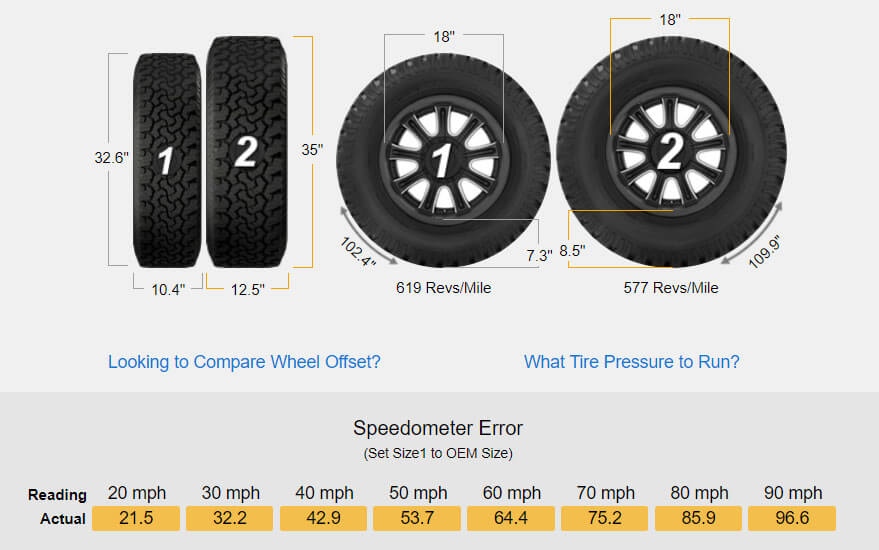
Before diving into the specific wheel sizes, it’s important to know how tire and wheel sizes relate. A 35 inch tire means the tire’s overall diameter is 35 inches. The wheel size is measured by the diameter of the wheel where the tire mounts, usually in inches (like 17″, 18″, or 20″). The width of the wheel is also important, as it needs to match the width of the tire for safety and performance.
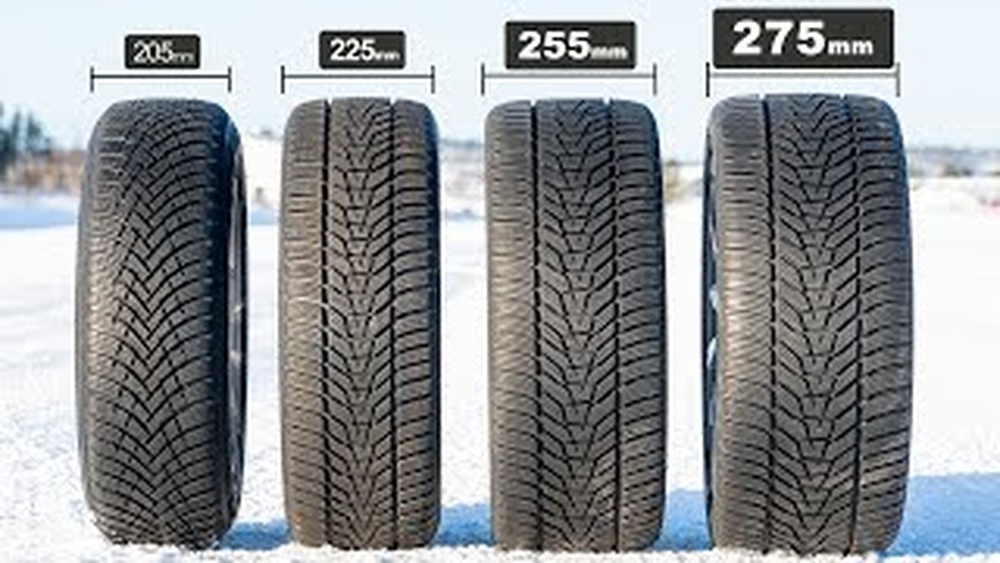
Most 35 inch tires are designed for trucks, SUVs, and off-road vehicles. These tires usually have a width between 12 and 12. 5 inches, and their recommended wheel widths are between 8 and 12 inches.
Why Wheel Size Matters For 35 Inch Tires
The wheel diameter and width affect:
- How the tire fits and looks on your vehicle
- Ride comfort and handling
- Off-road capability
- Tire wear and safety
If you choose a wheel that’s too small or too large, you can face problems like rubbing, poor handling, or even tire blowouts. Selecting the right size ensures your tires perform as expected and your vehicle stays safe.

Credit: www.youtube.com
Key Factors When Choosing Wheel Size
- Wheel Diameter: The most common wheel sizes for 35 inch tires are 15″, 17″, 18″, 20″, and 22″. Larger wheels give a sporty look and firmer ride. Smaller wheels provide more tire sidewall, which is better for off-roading.
- Wheel Width: For 35 inch tires, 8.5″ to 12″ widths are standard. Wider wheels give a more aggressive stance, but too wide can lead to uneven tire wear.
- Backspacing and Offset: These affect how far the wheel sticks out from your vehicle. Incorrect offset can cause rubbing or handling issues.
- Bolt Pattern: Make sure the wheel matches your vehicle’s bolt pattern.
- Load Rating: Wheels must support the weight of your vehicle plus the tire.
35 Recommended Wheel Sizes For 35 Inch Tires
Below are 35 individual wheel sizes that work well with 35 inch tires. Each size is explained briefly, including its benefits, typical uses, and any special considerations.
1. 15×8
This classic off-road wheel size gives a big sidewall for maximum flex and comfort. Good for rock crawling and trail riding.
2. 15×10
Offers wider stance and more aggressive look. Useful for mud terrain tires, but may need fender modifications.
3. 16×8
A popular option for older trucks and SUVs. Balances comfort and steering response.
4. 16×10
Gives extra width for mud and sand tires. May increase strain on suspension parts.
5. 17×8
Common for modern trucks. Fits most 35 inch tires without rubbing. Good for daily driving and mild off-roading.
6. 17×9
Provides a bit more width for stability and aggressive appearance. Works well for all-terrain tires.
7. 17×10
Best for wide tire setups. May require wheel well trimming.
8. 18×8
Sleek option for newer SUVs. Slightly less sidewall than 17″, which improves handling.
9. 18×9
Adds width for improved cornering and grip. Looks great with lifted vehicles.
10. 18×10
Max width for show trucks or street builds. Less sidewall, so ride can be firmer.
11. 20×8
Ideal for luxury SUVs wanting style with larger tires. More rim, less sidewall.
12. 20×9
Popular for modern lifted trucks. Balances looks and performance.
13. 20×10
Aggressive stance, especially for wide 35 inch tires. May require suspension upgrades.
14. 20×12
Extreme width for show vehicles. Not recommended for daily driving due to tire wear.
15. 22×9
Great for custom SUVs aiming for a bold look. Handling is improved but off-road comfort decreases.
16. 22×10
Wide and stylish, best for city driving. Not ideal for rough terrain.
17. 22×12
Maximum width and rim, mostly for show trucks. Tire sidewall is very short.
18. 17×7
Narrower wheel, keeps tire bulge. Good for older vehicles and basic off-roading.
19. 18×7
Rare, but sometimes used for lighter trucks. Keeps tire profile high.
20. 19×8
Uncommon size, but fits some specialty wheels. More rim, less sidewall.
21. 19×9
Adds extra width for custom builds. Not as common as 17″ or 18″.
22. 17×11
Wide and aggressive, for sand tires or mud terrain setups.
23. 18×11
Used for extreme off-road builds. May require special suspension parts.
24. 20×11
Extra width for traction, mostly for show and performance trucks.
25. 21×9
Rare but seen in high-end custom builds. More rim, less tire for a striking look.
26. 21×10
Wide and stylish, not recommended for off-road use.
27. 17×12
Maximum width in 17″. Perfect for mud tires needing big footprint.
28. 18×12
Extreme width for off-road competitions. Not for everyday driving.
29. 19×10
More width for custom projects. Not commonly used.
30. 19×12
Maximum width for 19″. For show vehicles only.
31. 20×8.5
A balance between width and sidewall. Good for most 35 inch tire applications.
32. 18×8.5
Fits most all-terrain 35 inch tires. Good for both off-road and highway.
33. 17×8.5
Popular for Jeeps and mid-size trucks. Offers good tire support.
34. 22×8.5
Used for high-end SUVs. More rim and less sidewall.
35. 21×8
Rare, but possible for custom builds. Not ideal for off-road.
Credit: offroadium.com
Wheel Size Vs. Tire Performance
When matching wheels to 35 inch tires, consider how the size impacts performance. Smaller wheels (like 15″ or 16″) leave more sidewall, which helps absorb shocks and flexes over rocks. Larger wheels (20″+) offer firmer handling but less protection from bumps. Wheel width affects how the tire sits: wider wheels make the tire more stable but can cause uneven wear if too wide.
Here’s a quick comparison:
| Wheel Diameter | Sidewall Height | Ride Comfort | Off-road Ability |
|---|---|---|---|
| 15″ | High | Excellent | Best |
| 17″ | Medium | Good | Very Good |
| 20″ | Low | Fair | Average |
| 22″ | Very Low | Poor | Poor |
Wheel Width Comparison
The width of your wheel affects the way the tire sits and performs. Most 35 inch tires fit best on wheels that are 8.5″ to 10″ wide. Here’s a comparison:
| Wheel Width | Stability | Tire Wear | Appearance |
|---|---|---|---|
| 8″ | Moderate | Even | Stock |
| 10″ | High | Can be uneven | Aggressive |
| 12″ | Very High | Risk of uneven | Extreme |
Common Mistakes When Choosing Wheel Size
- Going too wide: If the wheel is much wider than the tire, the tire can wear unevenly and lose grip.
- Wrong offset: Incorrect offset can cause your tires to rub against suspension or fenders.
- Too big a diameter: Large wheels (22″+) reduce sidewall, making off-road driving risky.
- Ignoring load rating: Always check that your wheels can handle the weight of your vehicle and tires.
- Not matching bolt pattern: Double-check your vehicle’s bolt pattern before buying wheels.
Real-world Examples
Many truck owners with 35 inch tires choose 17×9 or 18×9 wheels for a balance of style, comfort, and performance. Off-road enthusiasts prefer 15×8 or 16×8 wheels for maximum sidewall flex. Show trucks often pick 20×10 or even 22×12 wheels for a bold look, though these are less practical for everyday use.
For example, a Jeep Wrangler running 35×12.50R17 tires will usually use a 17×9 wheel. This setup offers good off-road ability and fits most suspension lifts without rubbing. A Ford F-150 with 35 inch tires might use 20×10 wheels for a more aggressive stance, but needs careful attention to offset and tire width.

Credit: schwarttzy.com
Practical Tips For Wheel Selection
- Always check your vehicle’s clearance and suspension before choosing a wheel size.
- If you off-road often, pick smaller wheels with more sidewall.
- For city driving, larger wheels can give a sporty look but reduce comfort.
- Match wheel width to tire specs for even wear.
- Ask a professional installer for advice if you’re unsure.
Data On Wheel And Tire Popularity
According to industry surveys, the most common wheel sizes for 35 inch tires are 17×9 and 18×9. Over 60% of truck owners choose these sizes for daily driving and mild off-roading. Show vehicles make up less than 10% of the market but often use extreme sizes like 22×12.
Frequently Asked Questions
What Is The Best Wheel Size For 35 Inch Tires?
Most experts recommend 17×9 or 18×9 wheels for 35 inch tires, as they offer a balance of performance, appearance, and safety.
Can I Use 35 Inch Tires On 15 Inch Wheels?
Yes, many off-road vehicles use 15×8 or 15×10 wheels with 35 inch tires. This setup gives more sidewall for off-road comfort.
Will 35 Inch Tires Fit On My Stock Wheels?
Usually not. Stock wheels are often too narrow or have the wrong offset. It’s best to check your vehicle specs and consult a professional.
What Happens If My Wheel Is Too Wide For The Tire?
Too wide a wheel can cause uneven tire wear, loss of grip, and even safety risks. Always match the recommended wheel width to your tire.
Do I Need To Lift My Vehicle For 35 Inch Tires?
Most vehicles will require a lift kit or suspension modification to fit 35 inch tires without rubbing. The amount of lift needed varies by vehicle model.
Choosing the right wheel size for 35 inch tires is not just about looks—it’s about safety, performance, and getting the most out of your vehicle. Take time to consider your driving needs, vehicle specs, and tire recommendations. For more detailed specs and advice, check resources like Tire Rack. With careful planning, your 35 inch tire setup will deliver both style and performance for years to come.