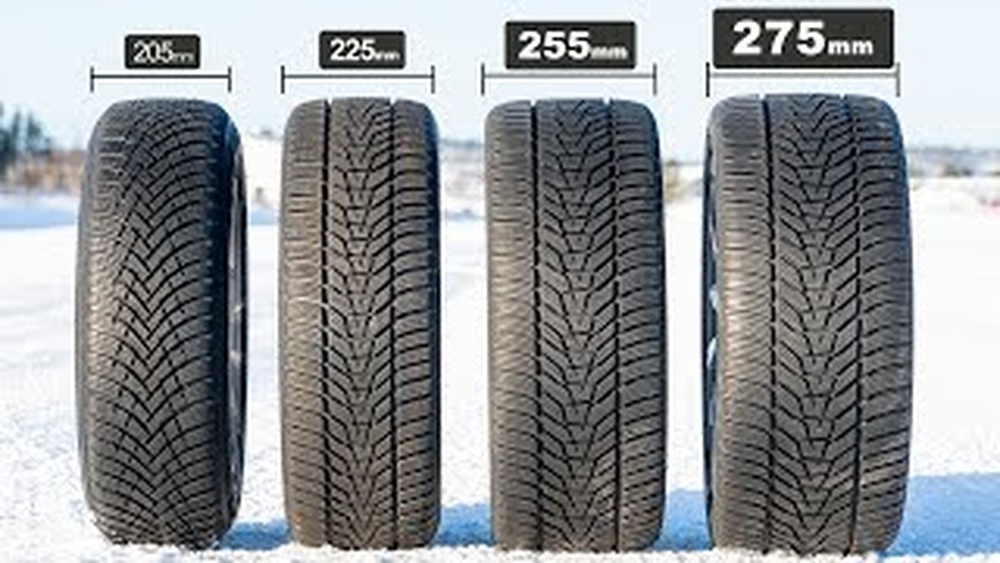
As the seasons change and colder weather approaches, many drivers start to wonder: when should you put winter tires on your vehicle? Timing matters more than you might think. If you wait too long, you risk driving on icy roads with summer or all-season tires, which can be dangerous. If you switch too early, you may wear out your winter tires faster. Making the right choice can help keep you safe and save money.
Let’s explore how to decide the best time for installing winter tires, the science behind their performance, and practical tips for every driver. Whether you drive in mild winters or face harsh snowstorms, you’ll find clear guidance here.
Why Winter Tires Matter
Winter tires are not just about driving in deep snow. They’re designed for cold temperatures, offering better grip, handling, and braking compared to regular tires. The rubber compounds stay soft and flexible in the cold, while summer or all-season tires can become hard and lose traction.
According to the U.S. Department of Transportation, winter tires can reduce stopping distances by up to 30% on icy roads. This difference can prevent accidents and injuries. Even if your region gets only occasional snow, cold mornings and frosty roads are enough reason to consider winter tires.
Key Signs It’s Time To Install Winter Tires
There’s no universal date for putting on winter tires. Instead, experts recommend watching for temperature changes and weather patterns. Here are the most important signs:
- Consistent Temperatures Below 45°F (7°C): The magic number is 45°F. When daily lows or highs dip below this, summer and all-season tires lose grip. This is the cue for winter tire installation.
- Forecasts of Frost, Ice, or Snow: If weather reports predict frost, icy roads, or snow within a week, switch early. Sudden cold snaps can catch drivers unprepared.
- End of Daylight Savings Time: In many areas, this marks the start of colder weather. It’s a convenient reminder to check tire conditions.
- Local Laws and Regulations: Some states and provinces have rules about tire types. Check local guidance to avoid fines and stay safe.
Example: Northern States Vs. Southern States
In the northern US (like Minnesota or Michigan), winter tire season often starts in late October or early November. In the south (like Texas), you may not need winter tires unless you travel north or face rare winter storms.
The Science Behind Winter Tire Performance
To understand why timing is so important, it helps to know how winter tires work:
- Rubber Compound: Winter tires use special rubber that stays soft in the cold. Summer tires become hard below 45°F, which reduces traction.
- Tread Design: Deep grooves and biting edges help winter tires grip snow and ice. All-season tires have shallower treads, which can clog with snow.
- Sipes: Tiny slits in the tread create extra edges for better grip on slippery surfaces.
Performance Comparison
Here’s how the stopping distances compare between summer, all-season, and winter tires on icy roads:
| Tire Type | Stopping Distance on Ice (from 25 mph) |
|---|---|
| Summer Tire | ~120 feet |
| All-Season Tire | ~80 feet |
| Winter Tire | ~60 feet |
This data shows why switching early can make a big difference, especially if conditions change suddenly.
When Not To Install Winter Tires
It’s just as important to know when not to put winter tires on:
- If daytime temperatures are regularly above 45°F: Winter tires wear out faster in warm weather.
- If you only drive short distances and roads are always clear: You might not need winter tires, but watch for unexpected frost.
- If your area rarely gets below freezing: All-season tires may be fine, but consider winter tires if you travel north.
Credit: www.tranbc.ca
Practical Tips For Timing Your Winter Tire Swap
Choosing the right moment for winter tires is about planning ahead, not just reacting to snow. Here are practical tips:
- Check Long-Range Forecasts: Look for trends, not just daily highs. If cold weather is coming soon, schedule your tire change.
- Book Early: Tire shops get busy during the first cold snap. Avoid long waits by booking your appointment in advance.
- Don’t Wait for First Snow: Switch before snow arrives. Cold, dry roads can be slippery too.
- Monitor Tire Condition: Inspect your winter tires for tread depth and wear. Replace if needed, so you’re ready when cold hits.
- Store Tires Properly: If you use two sets, store off-season tires in a cool, dry place. This extends their life.
Comparing All-season Vs. Winter Tires
Many drivers ask whether all-season tires are enough. Let’s compare them side by side:
| Feature | All-Season Tire | Winter Tire |
|---|---|---|
| Performance below 45°F | Reduced grip | Optimal grip |
| Tread design | Moderate depth | Deep, aggressive |
| Stopping distance on ice | Longer | Shorter |
| Wear rate in warm weather | Normal | Fast wear |
| Best use | Mild winters | Cold, snowy conditions |
Winter tires outperform all-season tires in cold and snow, but they’re not built for warm weather. This is a common mistake: some drivers leave winter tires on all year, which can cause fast tread wear and reduce effectiveness.

Credit: www.hansmaautomotive.com
Regional Differences: Timing By Location
Different regions need different timing. Here’s a quick guide:
| Region | Recommended Installation Time |
|---|---|
| Northern US & Canada | Late October to early November |
| Midwestern US | Early November |
| Southern US | Rarely needed; only for travel or unusual storms |
| Mountain Regions | Mid-October (due to elevation) |
| Pacific Northwest | Late October |
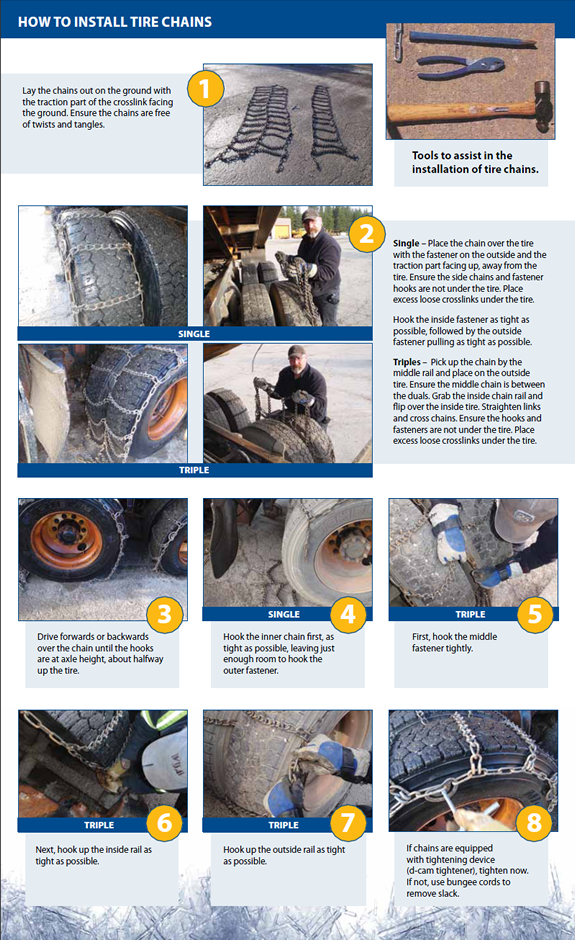
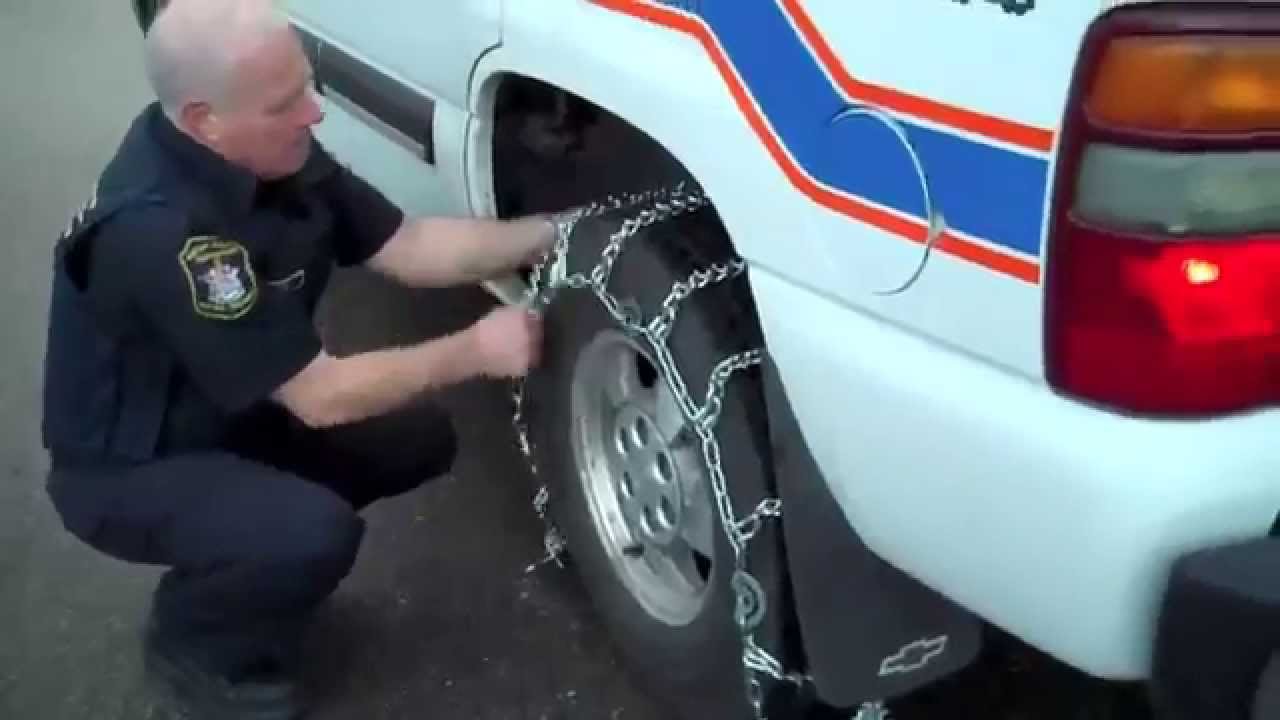
Always check your local weather and road conditions. Some states, like Colorado, require winter tires or chains in certain mountain areas during winter months.
Mistakes Beginners Make When Installing Winter Tires
Many drivers miss a few key points when switching tires:
- Waiting for the first snow: Cold roads are already slippery, even before snow falls.
- Ignoring tread depth: Worn winter tires are almost as bad as all-season tires in snow.
- Forgetting tire pressure: Cold weather lowers tire pressure. Check and adjust after installation.
- Using mismatched tires: All four tires should be winter tires. Mixing types can reduce control.
- Not checking for local laws: Some regions require winter tires or chains by law.
A non-obvious insight: winter tires work best when installed as a set. Some people put only two on the drive wheels, but this can cause uneven grip and reduce safety. Always use four matching winter tires.
How Tire Change Timing Affects Safety And Cost
The timing of your winter tire swap influences both safety and cost:
- Early Installation: Provides maximum safety, but may wear tires faster if temperatures stay warm.
- Late Installation: Saves tire life, but risks accidents during early cold snaps.
- Right Timing: Balances safety and cost. Aim for consistent temperatures below 45°F.
If you drive in areas with unpredictable weather, err on the side of safety. It’s better to switch a week early than a week late.
Practical Examples: Real-world Scenarios
Let’s look at two real-world cases:
- Sarah in Michigan: She checks the forecast in late October. Nights are below 40°F, and snow is predicted next week. She installs her winter tires early, avoids long waits at the shop, and stays safe during the first icy morning.
- Dave in Georgia: He rarely sees temperatures below 50°F. He keeps all-season tires but checks tread and pressure before winter trips north.
A second insight: local microclimates matter. If your home is in a valley or near water, temperatures can be colder than the city average. Check your local conditions, not just regional reports.
Credit: www.youtube.com
Frequently Asked Questions
How Do I Know If I Need Winter Tires?
If you live where temperatures regularly fall below 45°F, or if you drive in icy or snowy conditions, you need winter tires. They offer better grip, shorter stopping distances, and improved safety. All-season tires may be enough for mild winters, but winter tires are best for cold, slippery roads.
Can I Use Winter Tires All Year?
No. Winter tires wear out quickly in warm weather and may lose performance. Use them only during cold months, then switch back to all-season or summer tires when temperatures rise above 45°F.
Do All Four Tires Need To Be Winter Tires?
Yes. Installing just two winter tires can cause uneven traction and poor handling. For best safety, always use four matching winter tires.
Are Studded Winter Tires Better?
Studded tires offer extra grip on ice but can damage roads and are illegal in some areas. Non-studded winter tires work well for most drivers. Check local laws before using studs.
Where Can I Find Official Guidance On Winter Tire Laws?
You can find up-to-date rules and recommendations at the official National Highway Traffic Safety Administration website: NHTSA.
Switching to winter tires at the right time isn’t just about snow—it’s about safety, performance, and peace of mind. By watching temperature trends, planning ahead, and using all four winter tires, you protect yourself and others on the road. Remember, cold weather can arrive suddenly, so it’s better to be prepared.
Stay alert, check your local forecasts, and make the change when the conditions call for it. Safe driving starts with the right tires at the right time.