Every driver has seen that small, yellow horseshoe-shaped light pop up on their dashboard. But when the tire pressure light starts blinking instead of staying solid, it can make even experienced drivers worry. Is it just a minor issue, or is something seriously wrong? Understanding why your tire pressure light blinks can help you stay safe, avoid costly repairs, and keep your car running smoothly.
A blinking tire pressure light is not just a simple warning about low air in your tires. It often points to a deeper problem that needs attention. Let’s break down the real reasons behind a blinking tire pressure light, what you should do, and what mistakes to avoid.
What Does The Tire Pressure Light Mean?
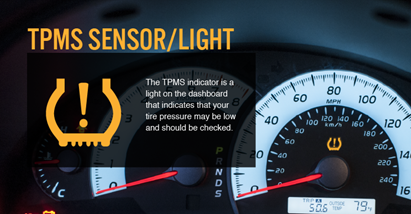
The tire pressure monitoring system (TPMS) is a standard feature in most modern cars. Its main job is to check the air pressure in your tires and alert you if it drops below a safe level. When the TPMS detects low pressure, it lights up a symbol on your dashboard. Most of the time, this light stays on steadily until you fix the problem.
But if your tire pressure light is blinking, the meaning changes. Instead of just low tire pressure, a blinking light usually signals a problem with the TPMS itself or its sensors.
Common Reasons The Tire Pressure Light Blinks
A blinking tire pressure light is not random. It’s your car’s way of telling you something more technical is happening. Here are the most common causes:
- Sensor Battery is Low or Dead: Each tire has a sensor powered by a small battery. These batteries usually last 5–10 years, but when one dies, the system can’t read your tire’s pressure correctly. The light blinks to warn you.
- Sensor Malfunction: Sensors can fail for other reasons too, such as water damage, rust, or impact from hitting a pothole.
- TPMS System Fault: If the central TPMS computer or wiring is faulty, it may not communicate properly with the sensors.
- Tire Rotation or Replacement: When you rotate your tires or get new ones, sensors might not sync properly, causing the light to blink.
- Interference from Electronics: Strong radio signals or electronic devices can sometimes interfere with the sensor signal.
- Extreme Temperatures: Sudden cold or hot weather can cause sensor errors, especially if pressure drops quickly.
- Aftermarket Wheels or Tires: If you change your wheels or tires and don’t transfer the TPMS sensors, the system can’t read pressure.
- Faulty TPMS Reset: Sometimes, after fixing a tire or resetting the system, the process doesn’t complete correctly.
These are the main reasons, but sometimes the cause is hidden. For example, a small sensor crack may go unnoticed until the light starts blinking.
How Tpms Works: A Quick Look
There are two types of TPMS systems: direct and indirect. Understanding the difference can help you diagnose issues.
| Type | How It Works | Common Problems |
|---|---|---|
| Direct | Sensors inside each tire measure pressure and send data wirelessly to the car’s computer. | Sensor battery failure, sensor damage, signal loss |
| Indirect | Uses ABS sensors to measure tire speed. Low pressure changes tire rotation, triggering a warning. | Software errors, miscalibration after tire changes |
Most cars today use direct TPMS, which is more accurate but depends heavily on working sensors.
What To Do When The Tire Pressure Light Blinks
When you notice a blinking tire pressure light, follow these steps:
- Pull Over Safely: Don’t ignore the blinking light. Find a safe place to stop and check your tires visually for flat or damaged tires.
- Check Tire Pressure: Use a manual gauge to check all four tires. Even if pressure is fine, the problem could be with the sensor.
- Restart the Car: Sometimes, turning the ignition off and on can reset the system, especially after filling your tires.
- Inspect for Obvious Damage: Look for nails, cracks, or bulges in your tires.
- Consult the Owner’s Manual: Your car’s manual often explains what a blinking tire pressure light means for your specific model.
- Visit a Professional: If the light keeps blinking, go to a mechanic or tire shop. They can scan the TPMS for error codes.
Ignoring a blinking TPMS light can lead to more serious issues, like driving with an underinflated tire, which increases the risk of a blowout.
Credit: blog.johndow.com
How To Diagnose The Problem
If you want to investigate further before visiting a mechanic, here are some practical steps:
- Use a TPMS Scan Tool: These tools read error codes from your car’s TPMS module. They can show which sensor is failing.
- Check Sensor Placement: After rotating tires, make sure each wheel has a working sensor.
- Look for Aftermarket Parts: If you recently changed wheels or tires, confirm that the TPMS sensors were moved to the new set.
Sometimes, the issue is a simple software glitch that a reset can fix. But if the sensor battery is dead or the sensor is damaged, you’ll need a replacement.
The Cost Of Ignoring A Blinking Tire Pressure Light
It’s tempting to dismiss a blinking tire pressure light, but there are real risks:
- Reduced Safety: Underinflated tires can overheat and fail, especially at high speeds.
- Poor Fuel Economy: Low tire pressure increases rolling resistance, making your car use more gas.
- Uneven Tire Wear: Tires with wrong pressure wear out faster and may need replacing sooner.
- Failed Vehicle Inspection: In many states, a malfunctioning TPMS can cause your car to fail safety inspections.
Data from the National Highway Traffic Safety Administration (NHTSA) shows that underinflated tires are three times more likely to be involved in a crash compared to properly inflated ones. That’s why it’s so important to act quickly.

Credit: www.toyotaofnorthcharlotte.com
How To Fix A Blinking Tire Pressure Light
Depending on the cause, the fix might be easy or require some investment. Here are the most common solutions:
- Replace Dead Sensors: If the battery inside a sensor dies, the only solution is replacing the sensor. This usually costs $50–$150 per sensor, including labor.
- Resync the TPMS: After rotating tires or installing new ones, your mechanic may need to resync the sensors with the car’s computer.
- Replace the TPMS Module: If the main computer is faulty, you may need a new module. This can be expensive ($200–$600).
- Fix Damaged Wiring: Sometimes, the wires connecting the module to your dashboard can break, especially after repairs.
- Reset the System: For some cars, simply resetting the TPMS (often with a button or through the dashboard menu) can clear the blinking light.
Here’s a quick comparison of the most common fixes and their costs:
| Fix | Average Cost | DIY or Professional? |
|---|---|---|
| Sensor Replacement | $50–$150 per sensor | Professional (DIY possible with tools) |
| TPMS Reset | $0–$50 | DIY or Professional |
| Module Replacement | $200–$600 | Professional |
| Wiring Repair | $50–$200 | Professional |
If you’re comfortable working with cars, some fixes like resetting the TPMS can be done at home. But for sensor or module replacement, professional help is best.
Mistakes To Avoid When The Tire Pressure Light Blinks
Many drivers make common mistakes when their TPMS light blinks. Avoid these errors to save money and stay safe:
- Ignoring the Light: Hoping it will “go away” can lead to bigger problems.
- Assuming It’s Just Low Pressure: A blinking light is usually a system issue, not just low air.
- Using the Wrong Sensors: Aftermarket or cheap sensors may not work correctly with your car.
- Not Recalibrating After Tire Changes: Always ask your mechanic to reset the TPMS after new tires or rotation.
- Mixing Tire Types: Using very different tires can confuse the system, especially with indirect TPMS.
A smart approach is to act quickly and get a proper diagnosis.

Credit: www.wikihow.com
Real-world Example
Consider this scenario: John, a regular commuter, noticed his tire pressure light blinking after a cold night. At first, he thought it was just low air, so he filled his tires. The light kept blinking. At the tire shop, they found one sensor’s battery was dead. A quick replacement solved the problem, and John avoided a costly blowout. This shows that sometimes the fix is simple, but waiting can be risky.
Should You Drive With A Blinking Tire Pressure Light?
Driving with a blinking TPMS light is not recommended for long periods. Short trips to the mechanic or tire shop are usually safe if your tires look okay, but don’t delay repairs. A blinking light means the system can’t warn you about real tire problems.
That puts you at risk for accidents, especially at high speeds or in bad weather.
How To Prevent Tpms Problems
Preventing TPMS issues is easier than fixing them. Here are some tips:
- Check Tire Pressure Monthly: Don’t wait for the light. Manual checks prevent most problems.
- Replace Sensors with New Tires: If your sensors are over 5 years old, replace them when you get new tires.
- Avoid Aftermarket Wheels Without Sensors: Make sure any new wheels are TPMS compatible.
- Don’t Ignore the Light: Act quickly when you see a warning.
According to the Tire Industry Association, regular tire maintenance can extend tire life by up to 4,700 miles, saving money and reducing risk.
Tpms Myths And Misunderstandings
Many drivers believe myths about the TPMS. Here’s the truth:
- Myth: You Can Ignore a Blinking Light If Tires Look Fine
- Fact: The system won’t warn you about future problems until it’s fixed.
- Myth: All Sensors Are the Same
- Fact: Each car uses specific sensors. Mixing brands can cause errors.
- Myth: TPMS Sensors Don’t Need Maintenance
- Fact: Sensors wear out and need replacing, usually every 5–10 years.
Staying informed helps you avoid costly mistakes.
The Importance Of Professional Help
While some TPMS issues are easy to fix, a professional mechanic has the tools and experience to diagnose complex problems. They can read error codes, check wiring, and replace sensors safely. Modern cars may need software updates after new sensor installation.
For more technical details on TPMS technology, you can check the Wikipedia page on TPMS.
Frequently Asked Questions
Why Does My Tire Pressure Light Blink After Starting The Car?
A blinking light right after starting usually means the TPMS sensor battery is low or there’s a system error. It’s different from a steady light, which points to low tire pressure.
Can Cold Weather Cause The Tire Pressure Light To Blink?
Yes, cold weather can lower tire pressure and sometimes cause sensor errors, making the light blink. If it doesn’t stop after tires warm up or you refill them, check the sensors.
How Do I Reset My Tpms?
Most cars have a TPMS reset button (often under the dashboard or in the glove box). Press and hold it until the light blinks, then drive for a few minutes. Always follow your car’s manual.
Is It Safe To Use Aftermarket Tpms Sensors?
Aftermarket sensors can work, but they must match your car’s specifications. Poor-quality or incompatible sensors can cause the light to blink or stop working.
How Long Do Tpms Sensors Last?
Most TPMS sensors last 5 to 10 years, depending on the battery and driving conditions. When one fails, it’s smart to replace all four if they’re the same age.
A blinking tire pressure light is your car’s way of asking for help. Don’t ignore it. By understanding the causes and taking the right steps, you keep your car safer and your tires lasting longer. If you ever feel unsure, a quick visit to a professional can save you time, money, and stress.
Safe driving!