Are you confused about choosing between XL and E rated tires for your vehicle? Picking the right tire can make a big difference in your safety, comfort, and performance on the road.
You might think all tires are the same, but XL and E rated tires have key differences that could affect how your car handles heavy loads and rough conditions. By understanding these differences, you can make a smarter choice that fits your driving needs and keeps you safe.
Keep reading to discover what sets XL and E rated tires apart and find out which one is right for you.
Tire Load Ratings Explained
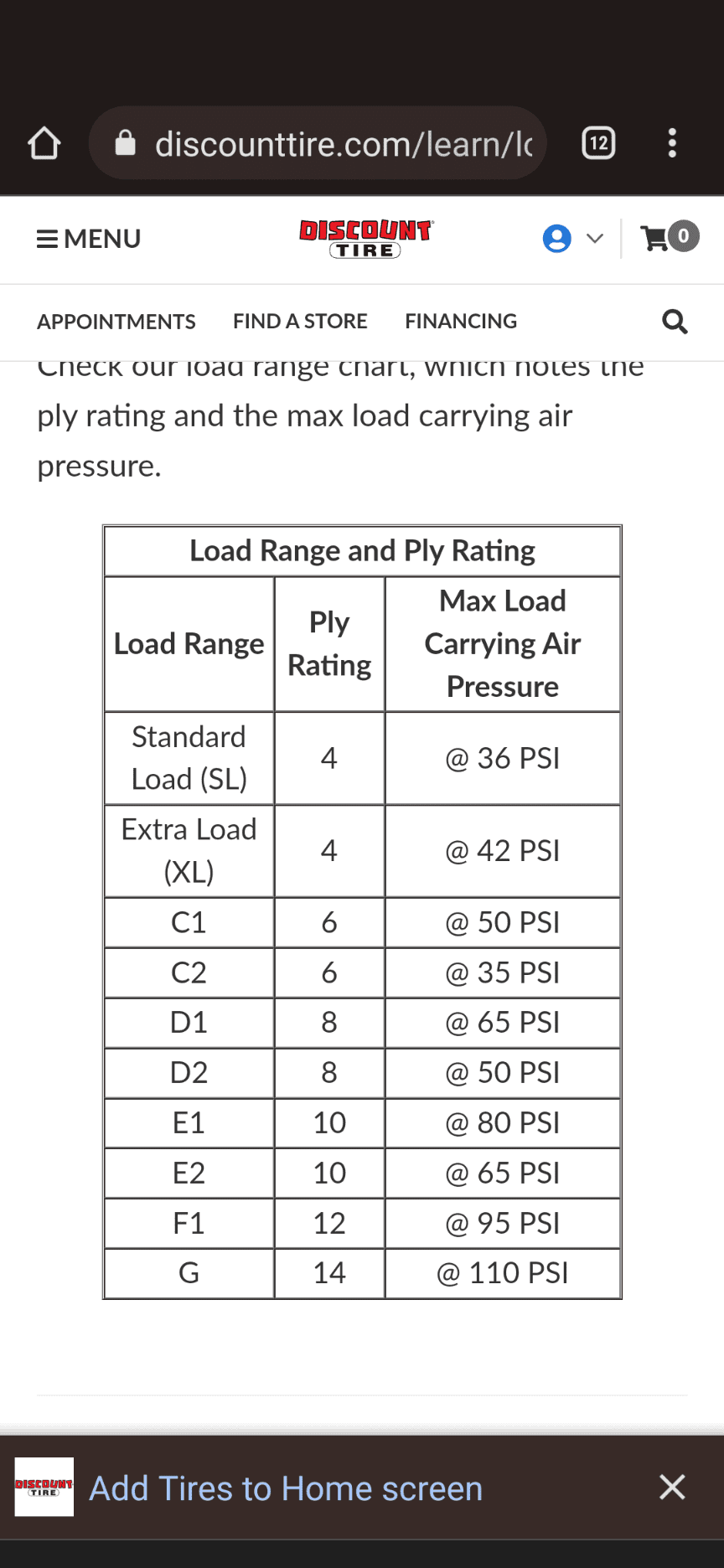
Tire load ratings tell you how much weight a tire can safely carry. These ratings are important for safety and performance. Knowing the difference between XL and E rated tires helps you choose the right tire for your vehicle. Understanding these ratings prevents overloading and tire damage.
What Xl Tires Mean
XL stands for Extra Load. These tires have stronger sidewalls. They carry more weight than standard tires. XL tires can handle higher air pressure. This gives better support for heavier loads. Many SUVs and trucks use XL tires for stability.
What E Rated Tires Mean
E rated tires meet specific European standards. The “E” mark shows approval for load and speed. These tires often carry heavier loads than XL tires. They have reinforced construction and thicker sidewalls. E rated tires are common on commercial vehicles.
Load Capacity Differences
XL tires usually carry about 10% more weight than standard tires. E rated tires can carry up to 15% more load than standard tires. The exact load capacity depends on the tire size and model. Always check the tire’s load index number. It tells the maximum weight the tire supports.
Credit: www.ranger5g.com
Performance Characteristics
Tire performance depends on many factors. XL and E rated tires differ in how they perform under stress and everyday use. Understanding these differences helps in choosing the right tire for your needs. The following sections break down key performance traits.
Durability And Strength
XL tires have extra layers to carry more weight. This makes them stronger and more durable. E rated tires also support heavy loads but focus more on speed and heat. Both types resist damage but XL tires last longer on rough roads.
Handling And Ride Comfort
XL tires can feel stiffer due to their tough build. This stiffness may reduce ride comfort slightly. E rated tires often provide smoother rides. They balance grip and flexibility better, helping with handling on highways.
Heat Resistance
E rated tires are designed to handle higher speeds safely. They resist heat build-up better during fast driving. XL tires manage heat well but are not meant for very high speeds. Heat resistance affects tire life and safety.
Applications And Use Cases
Tires play a key role in how vehicles perform. Different tires serve different needs. XL and E rated tires each have distinct strengths. Understanding their applications helps choose the right tire.
Each tire type suits specific vehicles and driving conditions. Choosing the right tire improves safety and vehicle handling. Below, explore where XL and E rated tires work best.
Best Vehicles For Xl Tires
XL tires are made for heavier loads. They suit SUVs, pickup trucks, and vans. These vehicles often carry extra weight or tow trailers. XL tires offer extra strength to support this load. They also work well on large passenger cars that need more durability.
Best Vehicles For E Rated Tires
E rated tires are designed for heavy-duty trucks. They fit commercial vehicles like delivery trucks and buses. These tires handle very heavy weights and rough roads. E rated tires are common on work trucks that carry tools and equipment. Their strong build helps with long-distance and tough use.
Off-road Vs On-road Use
XL tires perform well on highways and city roads. They provide a smooth ride even with heavy loads. These tires also handle light off-road conditions. E rated tires focus more on rough and uneven terrain. They excel in off-road work sites and construction areas. Choosing the right tire depends on where you drive most.
Credit: www.hummerchat.com
Cost And Availability
Cost and availability are key factors when choosing between XL and E rated tires. These tires serve different purposes, so their prices and availability vary. Understanding these differences helps you make the right choice for your needs and budget.
Price Comparison
XL tires usually cost more than regular tires. They have extra strength and thicker sidewalls. This added durability increases their price. E rated tires are often more expensive than standard tires too. They can carry heavier loads, which adds to the cost. Prices depend on tire size and brand as well.
Availability In The Market
XL tires are widely available. Many stores stock them due to their popularity. E rated tires are less common but still easy to find. Specialty shops and online stores often offer a good selection. Checking local stores first can save time and shipping costs.
Maintenance And Lifespan
XL tires tend to last longer because of their stronger build. They resist wear better under heavy loads. E rated tires are designed for heavy loads but may wear faster on regular vehicles. Proper maintenance, like regular pressure checks, extends both tires’ life. Choosing the right tire helps avoid frequent replacements.
Safety Considerations
Choosing between XL and E rated tires affects your vehicle’s safety. These tires have different designs and strength levels. Understanding their safety aspects helps you make better decisions for your car and road conditions.
Impact On Vehicle Stability
XL tires carry more weight and pressure than regular tires. This extra strength improves stability when driving on heavy loads. E rated tires are designed for higher speed and heavy vehicles. Using the right tire type keeps your vehicle balanced and safe on the road.
Tire Pressure Recommendations
XL tires need higher air pressure than standard tires. Proper inflation helps maintain tire shape and road grip. E rated tires also require specific pressure to perform well. Check the manufacturer’s guide for the correct tire pressure. Proper pressure prevents tire damage and improves safety.
Legal Regulations
Different countries have rules about tire ratings for vehicles. Some places require E rated tires for heavy or fast cars. Others allow XL tires for light trucks and SUVs. Using the correct tire rating avoids fines and legal issues. Always follow local laws to ensure safe driving.
Credit: www.hummerchat.com
Choosing The Right Tire
Choosing the right tire is important for safety and vehicle performance. Tires come in different types, like XL and E rated. Each type suits different needs and conditions.
Understanding your vehicle and driving habits helps pick the best tire. Consider factors like load capacity, road conditions, and budget before deciding.
Assessing Vehicle Needs
Check your vehicle’s weight and tire size. XL tires offer extra load capacity for heavier vehicles. E rated tires are designed for higher speed and load limits. Match tires to your vehicle’s requirements for better safety and performance.
Environmental Factors
Consider the roads you drive on. Rough or uneven roads may need stronger tires like XL. For highways or smooth roads, E rated tires provide good speed and control. Weather conditions also matter. Some tires handle rain or snow better than others.
Budget And Priorities
XL tires tend to cost more but last longer under heavy loads. E rated tires might be cheaper but focus on speed and handling. Decide what matters most: durability or performance. Choose a tire that fits your budget and driving needs.
Frequently Asked Questions
What Are Xl Tires And Their Main Benefits?
XL tires, or Extra Load tires, carry higher air pressure than standard tires. They offer improved durability, stability, and handling. XL tires are ideal for heavier vehicles or loads, enhancing performance and safety on the road.
How Do E Rated Tires Differ From Xl Tires?
E Rated tires have reinforced sidewalls to handle extra heavy loads. They meet specific load and speed standards, making them suitable for commercial vehicles. Unlike XL tires, E Rated tires focus more on load capacity than pressure.
Which Tires Are Better For Heavy-duty Vehicles?
E Rated tires are generally better for heavy-duty vehicles. They support higher load capacities and endure tough conditions. XL tires are suitable for moderately heavy loads but may not match E Rated tires’ strength.
Can Xl Tires Replace E Rated Tires Safely?
XL tires can replace E Rated tires only if load and speed ratings match. Using the wrong tire type risks safety and vehicle performance. Always check manufacturer recommendations before switching tire types.
Conclusion
Choosing between XL and E rated tires depends on your vehicle needs. XL tires offer extra load capacity for heavier loads. E rated tires provide strong strength for commercial vehicles. Both types improve safety and performance in different ways. Consider your driving style and weight requirements carefully.
Proper tire choice helps ensure a smooth, safe ride. Always check tire ratings before purchasing. Good tires protect you and your vehicle. Think about what fits your needs best. Safe driving starts with the right tires.