Is A Spare Tire The Same As A Regular Tire?
Most people believe a spare tire is just another tire for emergencies. But is it really the same as a regular tire? This question matters more than you might think. Many drivers have faced flat tires only to discover their spare is quite different from what they expected. If you own a car or plan to drive, understanding the differences between spare tires and regular tires can save you time, money, and trouble on the road.
Let’s explore the key differences, why they exist, and what you need to know before you rely on a spare tire. We’ll look at types, safety, performance, and even mistakes drivers often make. By the end, you’ll know exactly how to handle a spare tire situation with confidence.
What Is A Regular Tire?
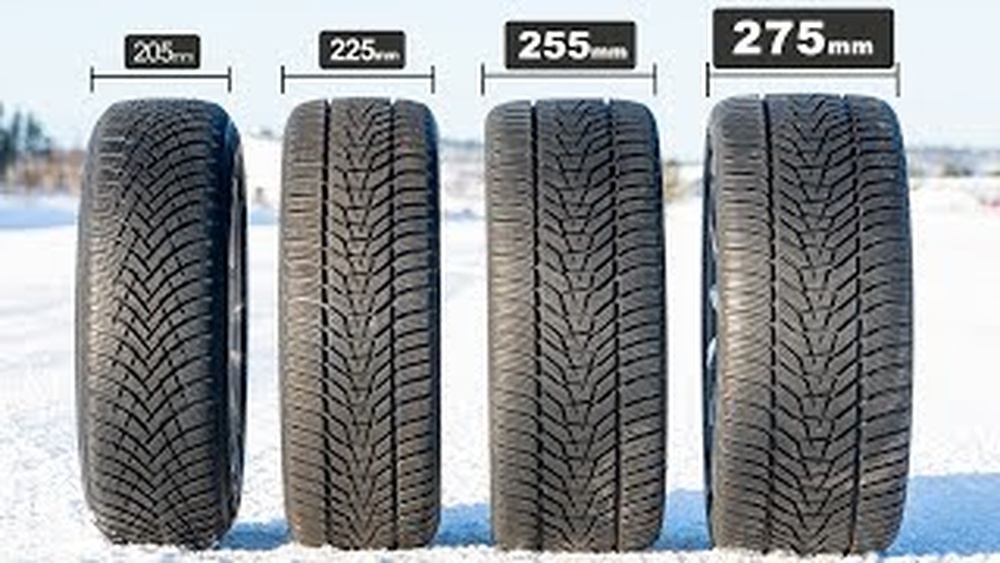
A regular tire is the main tire your car uses every day. It’s designed for performance, safety, comfort, and durability. Regular tires come in various sizes and types, depending on your vehicle and driving needs.
Main Features Of Regular Tires
- Full-size: Matches the size and specifications for your car.
- Tread pattern: Designed for traction, handling, and stability.
- Durability: Built to last thousands of miles (most last 25,000–50,000 miles).
- Speed rating: Suitable for normal driving speeds (often 100 mph or more).
- Load capacity: Supports the weight of your vehicle and passengers.
Types Of Regular Tires
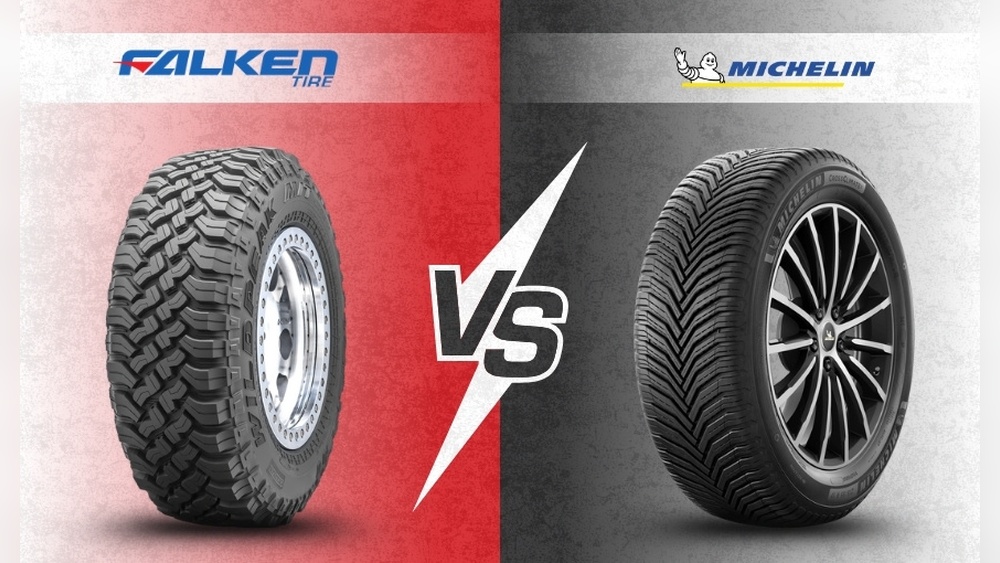
- All-season tires: Used by most drivers, work well in many conditions.
- Summer tires: Designed for dry and wet roads, not for snow.
- Winter tires: Built for snow and ice, softer rubber.
- Performance tires: For sporty cars, better grip and handling.
Regular tires are carefully engineered. They balance comfort, safety, and efficiency, making them essential for daily driving.
What Is A Spare Tire?
A spare tire is a backup tire, meant for temporary use if a regular tire fails. Not all spare tires are the same; some are full-size, but most are smaller and lighter.
Main Types Of Spare Tires
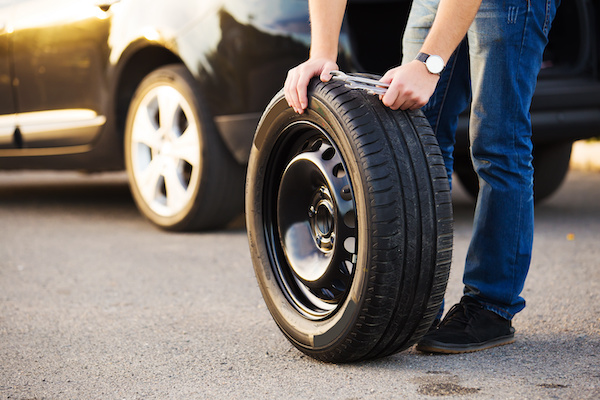
- Full-size spare: Same as your regular tire, can be used like a regular tire.
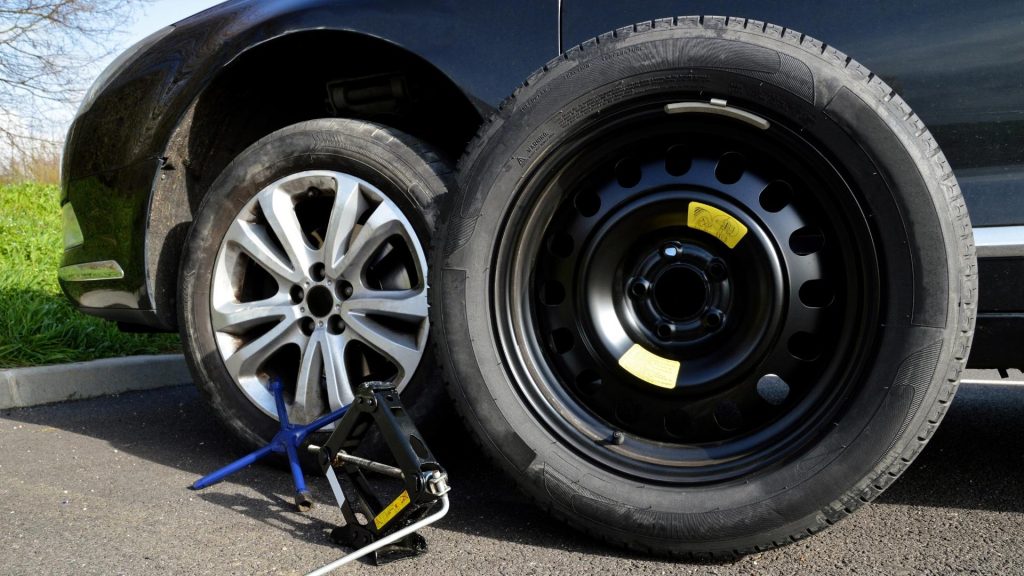
- Compact temporary spare (donut): Smaller and lighter, meant for short distances.
- Space-saver spare: Similar to donuts but even lighter, sometimes made of different materials.
- Run-flat tire: Stays functional after a puncture, lets you drive to a repair shop.
Why Are Spare Tires Different?
Most car manufacturers focus on space and weight. Small spare tires fit in tight spaces and reduce car weight, which improves fuel efficiency. Cost is another factor. Compact spares are cheaper to produce and easier to store.
Comparing Spare Tires And Regular Tires
Let’s compare the main differences. Here’s a clear table showing how spare tires and regular tires stack up:
| Feature | Regular Tire | Spare Tire |
|---|---|---|
| Size | Full-sized | Often smaller (donut/space-saver) |
| Weight | Heavier (20–30 lbs) | Lighter (10–15 lbs) |
| Tread | Deep, for traction | Shallow, basic grip |
| Durability | 25,000–50,000 miles | Up to 50–70 miles |
| Speed Limit | Normal (100+ mph) | Usually 50 mph max |
| Load Capacity | Full vehicle weight | Lower capacity |
As you can see, spare tires are not built for long-term use. They’re a temporary solution.
How Far And How Fast Can You Drive On A Spare Tire?
Most spare tires (especially donuts and space-savers) are meant for short trips. The general guideline is:
- Distance: Don’t drive more than 50–70 miles on a spare.
- Speed: Keep your speed below 50 mph.
Driving further or faster can be risky. The spare tire may fail, and you could lose control of your car. If your spare is full-size, you can use it longer, but always check its age and condition.
Data: Real-world Spare Tire Limits
Research by AAA shows that most drivers ignore these limits. About 30% of people keep driving on their spare for weeks, sometimes months. This increases the risk of accidents, especially in bad weather or on highways.
The Impact On Car Performance
Using a spare tire changes how your car behaves. Here are some important effects:
- Handling: The car may feel unstable, especially when turning.
- Braking: Stopping distance increases, especially in rain.
- Traction: Less grip on the road.
- Suspension: Uneven tire sizes can stress your suspension.
If your car uses advanced systems like ABS or traction control, a spare tire can confuse these systems. Some cars even show warning lights if you use a spare.
Comparison Table: Performance Effects
| Aspect | Regular Tire | Spare Tire |
|---|---|---|
| Handling | Stable | Unstable, less predictable |
| Braking | Optimal | Longer stopping distance |
| Traction | Good in all conditions | Lower, especially in rain/snow |
| Ride Comfort | Smooth | Rough, noisy |
Even if you drive carefully, you’ll notice the difference.
Safety Risks And Warnings
Most spare tires are not designed for everyday use. Here are some safety risks to watch out for:
- Blowout risk: Thin sidewalls and shallow tread make spares more likely to fail.
- Reduced control: Harder to steer and brake, especially at high speeds.
- Lower grip: More likely to slip in wet or icy conditions.
- Legal issues: In some places, driving long-term on a spare can lead to fines.
Always check your spare tire’s pressure. Many people forget, and a flat spare is useless. If your spare tire is older than 8 years, replace it—even if it looks new.
Common Mistakes When Using A Spare Tire
Many drivers make errors when handling spare tires. Avoid these mistakes:
- Driving too far: Using a spare for weeks instead of fixing the main tire.
- Ignoring speed limits: Going faster than 50 mph, risking blowouts.
- Mismatched tires: Using a spare with a different tread or size, confusing car systems.
- Not checking pressure: Spare tires often lose air faster.
- Poor maintenance: Keeping spares in bad shape or not replacing old ones.
- Forgetting the jack and tools: Not being ready for a flat tire emergency.
One non-obvious insight: Spare tires are sometimes hidden under the car or in hard-to-reach areas. Practicing how to access and install your spare before an emergency can save time and stress.
How To Choose The Right Spare Tire
If you need to buy a spare tire, consider these factors:
- Size compatibility: Match your car’s wheel size and specs.
- Type: Decide between full-size, donut, or run-flat.
- Storage space: Make sure it fits in your car.
- Brand reliability: Choose reputable brands.
- Age: Even unused tires age—check manufacturing dates.
Practical Tips
- Read your car manual for recommended spare type.
- Check for recalls or defects (visit NHTSA for US recalls).
- Keep your spare tire inflated to recommended pressure.
- Don’t rely on a used spare without checking its age and condition.
Credit: carfromjapan.com
Real-life Example: Spare Tire Failure
Imagine you’re driving on a highway and your tire goes flat. You install your donut spare and keep driving. After 80 miles, the spare blows out. This happens because the tire was only meant for 50–70 miles, and high speeds caused extra stress.
This scenario is common. According to AAA, nearly 15% of drivers have experienced a spare tire failure in the last decade. Most cases involve ignoring distance or speed limits.
Are Run-flat Tires A Good Option?
Some cars come with run-flat tires instead of a spare. These tires let you drive about 50 miles after a puncture. Run-flats are heavier and more expensive, but they offer convenience.
However, run-flats have drawbacks:
- Harsher ride: Less comfort compared to regular tires.
- Limited repair options: Not all shops can fix run-flats.
- Higher cost: More expensive to replace.
If you value convenience and your car supports run-flat tires, they can be a good choice. But for most people, a traditional spare is still more common.
Credit: www.cavalierauto.com
Spare Tire Maintenance Tips
Keeping your spare tire in good shape is essential. Here are some practical tips:
- Check pressure monthly: Most spares lose air faster than regular tires.
- Inspect for cracks: Rubber ages, even if unused.
- Replace after 8 years: Old tires are unsafe, even if never used.
- Keep tools handy: Make sure you have a jack and wrench.
Many people forget to check their spare. A surprising insight: Some spares are stored outside the car, exposing them to weather and faster aging.
Environmental Impact: Spare Vs Regular Tire
Spare tires are lighter and use less material, so they have a smaller environmental footprint. However, most spares end up unused and discarded. Regular tires are recycled more often.
Using run-flat tires means fewer spares needed, but the manufacturing process for run-flats is more resource-intensive. If you care about the environment, proper tire recycling is important.

Credit: www.youtube.com
Expert Advice: What Should You Do If You Need A Spare?
If you have a flat tire, use your spare only to reach a repair shop. Don’t delay fixing your regular tire. If you don’t have a spare, call roadside assistance or use a tire sealant kit.
If you’re planning a long trip, check your spare’s condition before leaving. And practice changing a tire in a safe area—it’s easier than learning during an emergency.
Frequently Asked Questions
What Is The Difference Between A Spare Tire And A Regular Tire?
The main difference is size, weight, and purpose. Regular tires are designed for everyday driving, with deep tread and high durability. Spare tires (especially donuts or space-savers) are smaller, lighter, and meant for short-term use only.
Can I Use A Spare Tire As A Regular Tire?
No. Most spares are not built for long-term driving. Using a spare as a regular tire can be unsafe and may damage your car. Only full-size spares are suitable for regular use, and even then, check the tire’s age and condition.
How Long Can I Drive On A Spare Tire?
For most compact spares, you should drive no more than 50–70 miles and keep speeds under 50 mph. Full-size spares can last longer but should still be checked frequently.
Why Do Some Cars Not Have A Spare Tire?
Many new cars use run-flat tires or tire repair kits to save weight and space. This helps fuel efficiency and reduces manufacturing costs. But it can leave drivers stranded if the run-flat or kit fails.
What Happens If My Spare Tire Is Old?
Old spare tires can crack, lose air, or fail suddenly. If your spare is more than 8 years old, replace it—even if it looks unused. Tire rubber ages, and old tires are not safe.
Driving is safer when you know the limits of your spare tire. Always treat it as a temporary solution, and fix your regular tire as soon as possible. Understanding these differences helps you stay prepared, avoid mistakes, and keep your journey smooth and safe.