Seeing a flashing tire pressure light on your dashboard can be unsettling, especially if you’re unsure what it means or what to do next. Many drivers ignore this warning or misunderstand its importance, putting themselves at risk for unsafe driving conditions and expensive repairs. Understanding what causes this light to flash, how to respond, and what mistakes to avoid can save you stress and money. This article will break down the meaning behind a flashing tire pressure light, explain the steps to diagnose and fix the issue, and offer practical advice for keeping your car safe on the road.
What Does The Flashing Tire Pressure Light Mean?
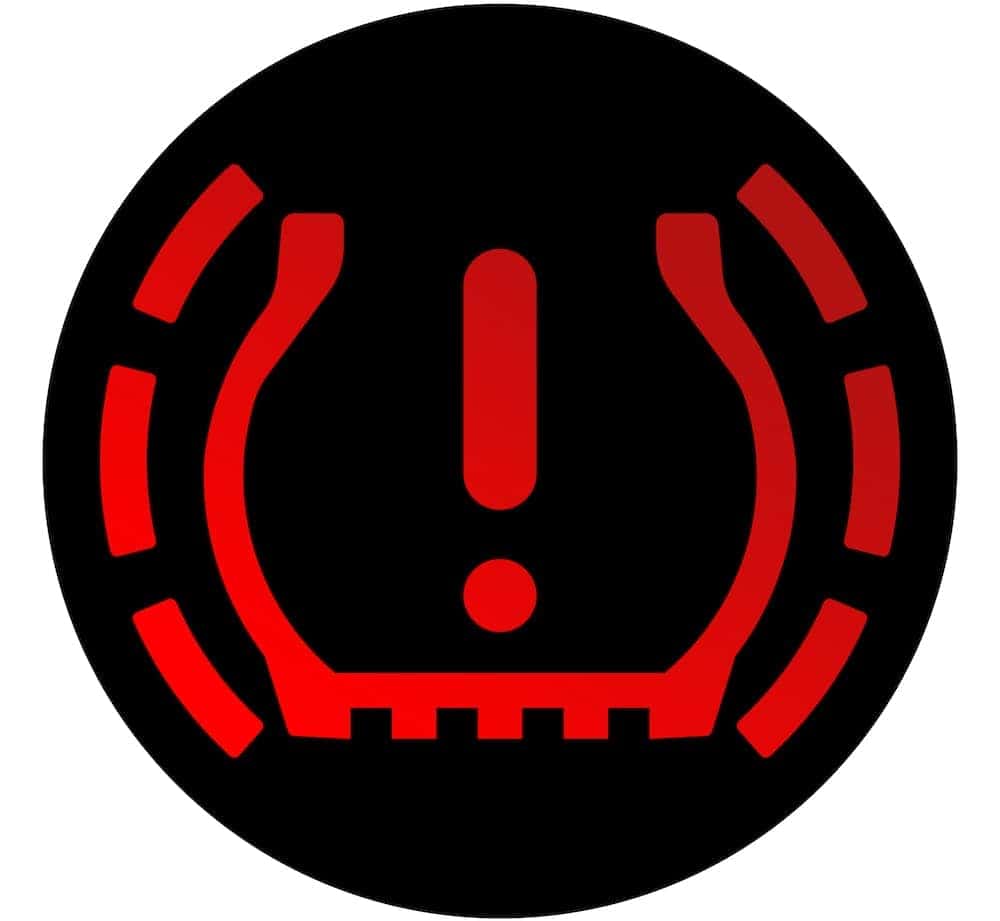
The tire pressure light is part of your car’s Tire Pressure Monitoring System (TPMS). Normally, this light turns on and stays solid if one or more tires have low air pressure. However, if the light is flashing (blinking), it signals a different problem: the TPMS itself is malfunctioning or unable to read tire pressures correctly.
A flashing tire pressure light usually means:
- The TPMS sensor in one or more tires is faulty, damaged, or missing
- The system cannot communicate with one or more sensors
- The TPMS battery is dead or weak
- There’s interference or a wiring issue
Unlike a solid light, a flashing light does not simply mean low pressure—it means there’s a problem with the system that monitors pressure. This makes it harder to know if your tires are safe.
Solid Vs. Flashing Tire Pressure Light
Here’s a quick comparison:
| Type of Light | Meaning | Recommended Action |
|---|---|---|
| Solid | Low tire pressure | Check and inflate tires |
| Flashing | TPMS system error | Inspect or service TPMS |
Common Causes Of A Flashing Tire Pressure Light
Understanding why your tire pressure light flashes is key to fixing the problem. Here are the most frequent causes:
1. Dead Tpms Sensor Battery
Most TPMS sensors have built-in batteries that last 5–10 years. When the battery dies, the sensor can’t send pressure data, triggering a flashing light.
2. Sensor Damage Or Failure
Physical damage from potholes, tire changes, or corrosion can break the sensor. Cheap replacement sensors can also fail quickly.
3. Missing Sensors
If a tire shop forgets to install a sensor after a tire change, or if you use a spare tire without a sensor, the system will flash.
4. Communication Errors
Radio frequency interference or wiring issues can block the sensor’s signal to the car’s computer.
5. Incorrect Sensor Programming
If sensors aren’t programmed or “learned” to your car after replacement, the TPMS won’t recognize them.
6. Wrong Type Of Sensor
Some vehicles require specific sensor types. Using the wrong model or universal sensors can cause errors.
Many drivers overlook the need to replace TPMS sensors every 7–10 years, or after a tire change. This is one reason why flashing lights are common in older vehicles.
Credit: www.lemanchevy.com
How To Respond When The Tire Pressure Light Is Flashing
Ignoring a flashing TPMS light is risky. You won’t know if your tires are safe, and your car may fail safety inspections. Here’s what to do:
Step-by-step Troubleshooting
1. Check Tire Pressures Manually
Use a tire gauge to check all four tires. Even if the TPMS is faulty, tires can still be low.
2. Inspect For Visible Damage
Look for signs of sensor damage, missing sensors, or corrosion around valve stems.
3. Drive For A Few Miles
Sometimes, the system needs to reset. If the light keeps flashing, move to the next step.
4. Consult Your Owner’s Manual
Your manual will explain your car’s TPMS and what a flashing light means for your model.
5. Visit A Tire Shop Or Mechanic
Professionals can scan the TPMS system, identify faulty sensors, and replace or reprogram them.
Practical Example
Imagine you just had new tires installed. A day later, your tire pressure light starts flashing. You check the tires—they seem fine. The likely cause is a missing or unprogrammed sensor. A quick visit to the tire shop can confirm this and fix it.
Tpms Sensor Replacement: What You Need To Know
Replacing TPMS sensors is not as simple as swapping a battery. Here are key facts:
- Sensors cost $40–$100 each, plus labor
- Many sensors must be programmed to your car using special tools
- Some vehicles support “universal” sensors, others require OEM parts
Comparison Of Tpms Sensor Types
| Sensor Type | Compatibility | Cost | Programming Needed |
|---|---|---|---|
| OEM | Specific vehicle models | High ($80–$100) | Yes |
| Universal | Many vehicles | Medium ($40–$80) | Sometimes |
| Aftermarket | Most vehicles | Low ($30–$50) | Yes |
A common mistake is buying cheap aftermarket sensors without checking compatibility. This can cause recurring flashing lights.
Risks Of Driving With A Flashing Tire Pressure Light
Many people think a flashing TPMS light is harmless. In reality, it can hide dangerous tire problems and lead to costly issues.
Safety Risks
- Hidden Low Tire Pressure: You won’t know if a tire is dangerously low, increasing the risk of a blowout.
- Reduced Fuel Efficiency: Under-inflated tires burn more gas.
- Poor Handling: Incorrect tire pressure affects braking and cornering.
Legal And Inspection Risks
- Failed Inspections: Some states require TPMS to work for annual safety checks.
- Possible Fines: Driving with faulty TPMS can lead to fines.
Real-world Example
A study by the National Highway Traffic Safety Administration (NHTSA) found that vehicles with working TPMS had 55% fewer incidents of under-inflated tires. This shows how important the system is for safety.
Preventing Flashing Tire Pressure Light Issues
You can avoid TPMS problems with regular care and smart choices.
Maintenance Tips
- Check tire pressure monthly with a manual gauge—even if TPMS works.
- Replace sensors every 7–10 years or after 100,000 miles.
- Ask tire shops to transfer or reprogram sensors when changing tires.
- Use recommended sensor types for your vehicle.
Data On Sensor Lifespan
Most TPMS sensors last 7–10 years. Environmental factors, such as extreme cold or salty roads, can shorten this lifespan.
Proactive Steps
If your car is older or you notice a flashing light, plan sensor replacement soon. Don’t wait for a complete system failure.

Credit: www.markmillersubarusouthtowne.com
How Tpms Works: Simple Explanation
TPMS uses small electronic sensors inside each tire to measure air pressure. These sensors send data to your car’s computer. If pressure drops below a safe level, the dashboard light turns on.
Types Of Tpms
| Type | How It Works | Accuracy | Maintenance |
|---|---|---|---|
| Direct TPMS | Sensors measure real pressure | High | Sensor battery replacement |
| Indirect TPMS | Uses ABS to estimate pressure | Medium | No sensors, but recalibration needed |
Direct TPMS is more accurate, but sensors can fail. Indirect systems don’t use sensors but can give false alarms.
Non-obvious Insights Most Drivers Miss
- TPMS sensors can fail gradually, causing intermittent flashing. If the light flashes only during cold weather, it may be a sign the sensor battery is weakening, not dead yet.
- Aftermarket wheels can disrupt TPMS signals. If you change rims, check sensor compatibility before installation.
- TPMS reset tools are available for DIY use, but incorrect resetting can lead to more flashing lights.
- Flashing lights can mask multiple issues. Sometimes, both low pressure and sensor failure happen together. Don’t assume it’s only a sensor problem.
Frequently Asked Questions
What Should I Do If The Tire Pressure Light Flashes After Tire Replacement?
If your tire pressure light starts flashing after getting new tires, it often means a sensor was damaged or not installed correctly. Return to the tire shop and ask them to check and reprogram the sensors.
Can I Drive Safely With A Flashing Tire Pressure Light?
You can drive, but it’s not safe. The TPMS won’t warn you about low tire pressure, so you must check your tires manually. It’s best to fix the system as soon as possible.
How Much Does It Cost To Fix A Flashing Tire Pressure Light?
Repair costs depend on the cause. Replacing a sensor costs $40–$100 per tire plus labor. Reprogramming or fixing wiring can cost less. Always ask for an estimate before repairs.
Will A Flashing Tire Pressure Light Cause My Car To Fail Inspection?
In many states, yes. TPMS is required for safety inspections. A flashing light signals a system error, which can cause your car to fail.
Where Can I Learn More About Tpms Systems?
You can find detailed information about TPMS technology and regulations on the Wikipedia Tire Pressure Monitoring System page.
Final Thoughts
A flashing tire pressure light is more than a minor annoyance—it’s a warning that your car’s safety system isn’t working. By understanding what this signal means, checking your tires manually, and fixing the TPMS promptly, you protect yourself and your passengers. Regular maintenance and smart sensor choices can prevent future problems and keep your car running smoothly. Don’t wait for a flashing light to become a bigger issue—take care of your TPMS and drive with confidence.

Credit: www.santacruztoyota.com