Driving your Nissan Altima should feel smooth, safe, and reliable. But one small detail can change everything: your tire pressure. Many Altima owners wonder, “What psi should my tires be?” It’s a simple question, but the answer can affect your car’s performance, fuel efficiency, and safety. If you get it wrong, you might face uneven tire wear, poor handling, or even a blowout. This guide will help you find the right psi for your Nissan Altima, understand why it matters, and learn how to maintain it easily—even if you’re not a car expert.
What Is Tire Psi And Why Is It Important?
PSI stands for pounds per square inch. It measures how much air is inside your tire. The right psi keeps your tires strong, balanced, and ready for the road. If the psi is too low, your tires flex more, get hotter, and wear out faster. If it’s too high, you lose grip and comfort.
A Nissan Altima is designed with a specific psi in mind. This helps the car handle well, keeps you safe, and saves you money on gas. Here’s what happens if you don’t follow the right psi:
- Low psi: Tires wear unevenly, your car uses more fuel, and you risk a blowout.
- High psi: The ride becomes bumpy, tires wear in the center, and you lose traction.
Recommended Tire Psi For Nissan Altima
The correct psi for your Nissan Altima depends on the model year and tire size. Most Altima models recommend a psi between 32 and 35. But you should always check your car’s sticker or manual.
Where To Find The Psi Recommendation
The easiest way to find your Altima’s recommended psi is to look inside the driver’s door. There’s a sticker with the numbers you need. It shows the psi for both front and rear tires, and sometimes for the spare tire.
Another place to check is your owner’s manual. Nissan provides clear information there.
Typical Psi For Recent Altima Models
Here’s a quick comparison for recent years:
| Model Year | Front Tire PSI | Rear Tire PSI | Spare Tire PSI |
|---|---|---|---|
| 2023 | 35 | 35 | 60 |
| 2021 | 35 | 35 | 60 |
| 2018 | 32 | 32 | 60 |
| 2015 | 32 | 32 | 60 |
Notice that the spare tire needs much more air (usually 60 psi) because it’s a different type—called a “donut” or temporary tire.
Why Psi May Change
Tire psi isn’t always fixed. It can change because of:
- Temperature: Cold air shrinks, so psi drops in winter.
- Driving habits: Long trips can heat tires and raise psi.
- Tire type: Different sizes or brands may need different psi.
Always check your tire psi when the tires are cold, before driving.

Credit: www.reddit.com
How To Check And Adjust Your Tire Psi
Many drivers skip checking their tire psi, but it’s simple and only takes a few minutes. Here’s how to do it:
- Find a Tire Pressure Gauge: You can buy one for a few dollars at any auto store.
- Locate the Valve Stem: It’s the small tube sticking out from the wheel.
- Remove the Cap and Press the Gauge: Read the number on the gauge.
- Compare to Recommended PSI: If it’s too low, add air. If it’s too high, release air.
- Repeat for All Tires: Don’t forget the spare tire.
Some Altimas have a TPMS (Tire Pressure Monitoring System) that shows alerts on your dashboard if psi drops too low.
Where To Add Or Release Air
- Gas stations usually have air pumps you can use for free or a small fee.
- At home, you can use a hand pump or an electric compressor.
How Often Should You Check Tire Psi?
Most experts recommend checking your tire psi once a month. Also, check before long trips and after big temperature changes.
Here’s a comparison of tire psi impact:
| Tire PSI | Fuel Efficiency | Tire Wear | Handling |
|---|---|---|---|
| Too Low | Poor | Uneven/fast | Sloppy |
| Too High | Average | Center wear | Stiff |
| Recommended | Best | Even/slow | Balanced |
Tire Psi For Different Altima Tire Sizes
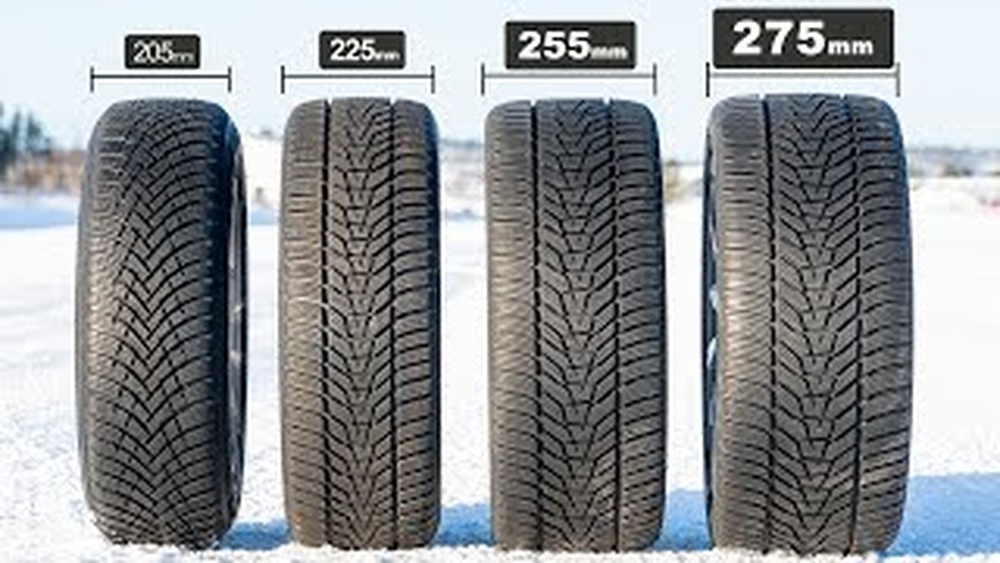
Nissan Altima comes with several tire sizes, especially across trims. The psi may vary slightly based on the tire size. Most common sizes are:
- 215/60R16
- 215/55R17
- 235/45R18
- 235/40R19
For all these, Nissan usually recommends 32-35 psi. If you upgrade or change wheels, always check the sticker or manual for the correct psi.
Upgrading Your Tires: What To Know
If you switch to larger or sportier tires, the recommended psi may change. Don’t rely only on the tire sidewall, since that shows the maximum psi—not the best for your Altima.
Many people make the mistake of filling their tires to the number on the tire itself. That’s not correct. Use the car’s sticker for the safest psi.
Common Mistakes When Setting Tire Psi
Even experienced drivers can get tire psi wrong. Here are mistakes to avoid:
- Ignoring the car’s sticker
- Checking psi when tires are hot
- Using old or broken gauges
- Forgetting the spare tire
- Setting psi based on the tire sidewall
Checking psi after a long drive can give false readings, because tires heat up and psi rises. Always check when tires are cold—usually before you drive in the morning.
Effects Of Incorrect Tire Psi On Your Nissan Altima
Wrong psi affects your Altima in ways you might not expect:
- Safety: Low psi can cause tire blowouts, especially at high speeds.
- Comfort: High psi makes the ride rough and noisy.
- Handling: Low psi causes slow response and poor steering.
- Tire Life: Incorrect psi means you’ll buy new tires sooner.
A study by the National Highway Traffic Safety Administration found that underinflated tires are three times more likely to cause serious accidents.

Credit: www.youtube.com
Seasonal Changes And Tire Psi
Tire pressure can drop in cold weather—sometimes by 1 psi for every 10°F decrease. In summer, psi may rise due to heat. Adjust your tire psi with the seasons:
- Winter: Check psi more often. You may need to add air.
- Summer: Watch for overinflation after long drives.
If you live where temperatures change a lot, be extra careful.
Tips For Maintaining Proper Tire Psi
Keeping your Altima’s tires at the right psi is easy with these tips:
- Check psi monthly
- Use a reliable gauge
- Don’t rely only on TPMS (it warns only when psi is very low)
- Record psi after each check (so you notice trends)
- Replace valve caps after checking
Here’s a handy comparison of tire maintenance tools:
| Tool | Accuracy | Ease of Use | Price Range |
|---|---|---|---|
| Handheld Gauge | High | Easy | $5-$15 |
| TPMS | Medium | Very Easy | Included |
| Gas Station Pump | Medium | Easy | Free-$1 |

Credit: www.youtube.com
How Tire Psi Affects Fuel Economy And Performance
Many Altima owners don’t realize that tire psi can save money. With the correct psi:
- You can improve fuel efficiency by up to 3%.
- The car handles better in turns and stops faster.
- Tires last longer, saving hundreds of dollars.
One non-obvious tip: Even a 2 psi drop can cost you up to 1 mile per gallon in fuel. That adds up over time.
What To Do If Your Tire Psi Is Always Wrong
If your Altima’s tires lose air often, check for:
- Leaks: Nails or damage can cause slow leaks.
- Valve problems: The valve stem may be cracked.
- Rim issues: Bent rims don’t seal well.
If you find a leak, repair or replace the tire quickly. Don’t keep driving with low psi.
When Should You Change Your Tire Psi?
There are times when you might adjust your psi from the normal setting:
- Heavy loads: If you carry lots of weight, add 2-3 psi (but never over the tire’s max).
- Long highway trips: Keep psi at the recommended level.
- Extreme weather: Adjust for temperature changes, as explained earlier.
Always return to Nissan’s recommended psi for daily driving.
Frequently Asked Questions
What Is The Right Tire Psi For A 2023 Nissan Altima?
The recommended psi for a 2023 Altima is 35 psi for both front and rear tires. The spare tire should be set at 60 psi. Always check the sticker inside your driver’s door to confirm.
Can I Use The Psi Shown On The Tire Sidewall?
No, the sidewall shows the maximum psi the tire can handle, not what your Altima needs. Use the psi from your car’s sticker or manual.
How Does Tire Psi Affect Fuel Economy?
Correct tire psi helps your Altima roll smoothly, reducing resistance. You can get up to 3% better fuel economy with proper psi. Low psi makes your engine work harder and uses more gas.
What Happens If My Tire Psi Is Too High?
Too much psi makes your tires stiff, reduces grip, and causes center tread wear. You’ll feel every bump, and your Altima won’t handle as well.
How Do I Know If My Altima’s Tpms Is Working?
When your tire psi is low, you’ll see a warning light on the dashboard. If the light stays on even after adjusting psi, the system may need service. For more on TPMS, see the official National Highway Traffic Safety Administration guide.
Taking care of your Nissan Altima’s tire psi is simple, but it can make your car safer, more efficient, and more enjoyable. Just check your psi monthly, follow Nissan’s recommendations, and adjust for weather and driving conditions. This small habit can save you money, prevent accidents, and keep your Altima running at its best.