Many drivers have seen a blinking tire pressure light on their dashboard and wondered, “Can I still drive safely? ” This warning is easy to ignore, but understanding what it really means can help you avoid serious problems. The tire pressure monitoring system (TPMS) is not just another dashboard annoyance.
It is there to protect you from tire failure, poor handling, and even accidents. This article will explain why the light blinks, what risks you face, and the smart steps to take if it happens to you.
What Does A Blinking Tire Pressure Light Mean?
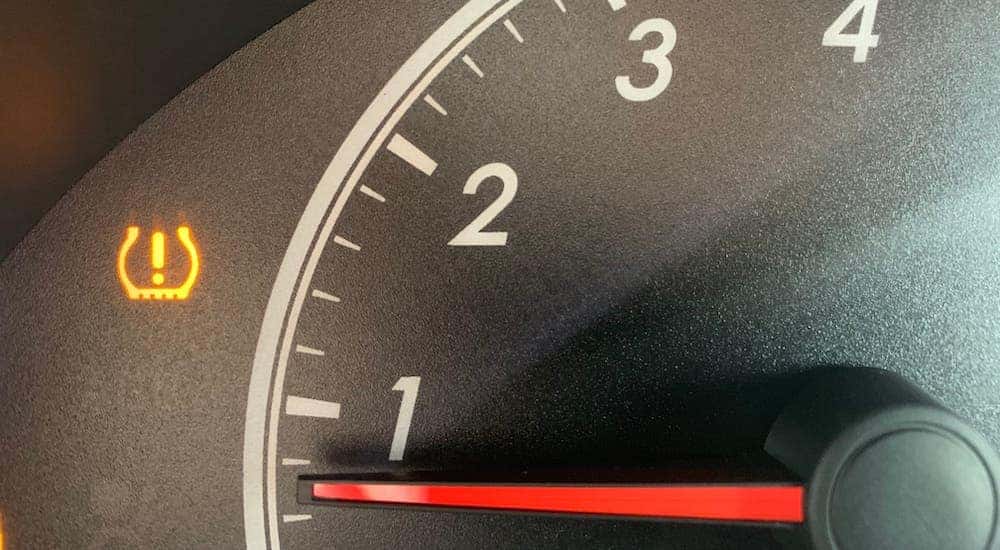
Most cars since 2008 come with a TPMS. When the light blinks, it’s not just a low tire pressure alert. A steady light usually means one or more tires are underinflated. But a blinking tire pressure light often signals a system problem. This could be a malfunction in the TPMS sensors, a dead sensor battery, or a communication issue.
A blinking light means the system can’t reliably tell you if your tires are safe. That’s a bigger risk than a simple low pressure warning. You can’t trust the dashboard to alert you to dangerous tire conditions.
Common Reasons For A Blinking Tire Pressure Light
- Sensor battery failure: Most TPMS sensors use a small battery. When it dies, the sensor stops working.
- Sensor damage: Sensors may break during tire changes or from road impacts.
- Communication fault: Sometimes the TPMS control unit can’t connect with one or more sensors.
- Incorrect sensor installation: After replacing a sensor, your car may need a reset.
- Electronic interference: Rare, but strong signals nearby can disrupt the TPMS.
Is It Safe To Drive With A Blinking Tire Pressure Light?
Many people ask if it’s safe to keep driving when the light blinks. The short answer: it depends, but usually it’s risky. Here’s why.
Loss Of Real-time Safety
The TPMS is meant to warn you before a tire fails. With a blinking light, the system isn’t monitoring your tires. You won’t know if a tire suddenly loses pressure. You could be driving on a tire that’s dangerously low, risking blowouts, poor handling, or even loss of control.
Increased Accident Risk
According to the National Highway Traffic Safety Administration (NHTSA), underinflated tires cause about 11,000 accidents per year in the US. Without TPMS working, you’re flying blind.
Car Insurance And Legal Issues
Some insurance policies require safety systems to be functional. If you have an accident with a disabled TPMS, your claim could be affected. In some states, driving with a faulty TPMS can even lead to fines during inspections.
Tire Wear And Performance
Low tire pressure increases tire wear. Tires running below recommended pressure can wear out up to 25% faster. Your fuel economy also drops—studies show underinflated tires can reduce mileage by 3%.
What Should You Do If Your Tire Pressure Light Is Blinking?
Instead of guessing, take these steps:
- Stop and check your tires: Use a manual gauge to check all four tires. Compare with the recommended pressure (usually on the driver’s door or owner’s manual).
- Inflate tires as needed: If any tire is low, fill it to the correct PSI.
- Restart your car: Sometimes the TPMS resets after a manual check and inflation.
- Visit a mechanic: If the light keeps blinking, have a professional inspect the sensors and TPMS system.
Driving a short distance to a repair shop is usually safe if your tires are properly inflated. But avoid highway speeds or long trips until the system is fixed.
Real-life Risks: Examples And Data
To make this clear, here’s a comparison of two situations:
| Situation | Risk Level | Potential Outcome |
|---|---|---|
| Driving with working TPMS | Low | Immediate warning, early action |
| Driving with blinking TPMS light | High | No warning, possible tire failure |
Another important data point: The Rubber Manufacturers Association found that only about 19% of drivers check tire pressure regularly. Most people rely on the TPMS. When it fails, almost 81% don’t notice dangerous tires until it’s too late.

Credit: carista.com
Comparing Tpms Types
There are two main types of TPMS. Understanding them helps you know what might go wrong.
| Type | How It Works | Common Problems |
|---|---|---|
| Direct TPMS | Sensors inside each tire measure pressure | Sensor battery failure, sensor damage |
| Indirect TPMS | Uses wheel speed and ABS sensors to detect low pressure | Calibration errors, software faults |
Direct systems give more accurate readings but depend on working sensors. Indirect systems are less reliable, and a blinking light often means a calibration issue.
How To Prevent Tpms Problems
Prevention is always better than dealing with a blinking light in the middle of a trip. Here’s what helps:
- Check tire pressure monthly: Use a digital gauge, not just your eyes.
- Avoid rough handling during tire changes: TPMS sensors are delicate. Tell your mechanic to be careful.
- Replace sensors every 5-7 years: Most sensor batteries die after this time.
- Don’t ignore the TPMS reset: After changing tires or sensors, make sure your car’s computer resets the system.
- Park away from strong radio signals: Rare, but in cities, interference can confuse the system.
Common Mistakes When Driving With A Blinking Light
Many drivers make errors that increase their risk:
- Assuming the light is a minor issue: Some believe the blinking light is less serious than a steady light. The opposite is true.
- Not checking tire pressure manually: Trusting the system when it’s malfunctioning is dangerous.
- Driving long distances: The longer you drive, the higher your risk without TPMS.
- Ignoring repeated warnings: If the light returns after a reset, don’t ignore it—get professional help.
When Is It Safe To Drive With A Blinking Tire Pressure Light?
There are rare cases when driving a short distance is safe:
- All tires are properly inflated: If you’ve checked pressures yourself and they’re correct.
- You’re driving to a repair shop: Short trips at low speeds are usually safe.
- No other warning lights: If only the TPMS is blinking and the car drives normally.
But remember, you’re still without a safety net. Avoid highways, heavy traffic, or bad weather until the system is fixed.
Cost And Repair Options
Fixing a TPMS problem can be simple or expensive, depending on the issue.
| Problem | Typical Cost | Repair Time |
|---|---|---|
| Sensor battery replacement | $50-$100 per sensor | 30-60 minutes |
| Sensor reset | Often free or $20 | 10-20 minutes |
| TPMS module repair | $100-$300 | 1-2 hours |
Some cars need special tools to reset or replace sensors. Always use a trusted mechanic, as improper handling can damage new sensors.
Should You Rely On Tpms Alone?
TPMS is a great safety feature, but it’s not perfect. It doesn’t warn you about tire age, tread depth, or damage from nails. Manual checks are always smarter, especially when the system fails.
If your TPMS is blinking, don’t assume your tires are fine. Check them yourself, and fix the system as soon as possible. Smart drivers combine technology with manual safety habits.

Credit: www.toyotaofnorthcharlotte.com
Additional Insights Most Drivers Miss
- TPMS won’t alert you to slow leaks: If a nail is stuck in your tire, the pressure may drop very slowly. By the time the TPMS blinks, your tire could be badly damaged.
- Winter affects TPMS sensitivity: Cold temperatures lower tire pressure and can confuse sensors. If your light blinks only in cold weather, check tires and reset the system.
- Spare tires rarely have TPMS sensors: If you use a spare, the system may blink until the original tire is back. Don’t ignore this.
Where To Get More Information
For more details on TPMS and tire safety, visit the National Highway Traffic Safety Administration. Their site has tips, statistics, and official guidelines.
Credit: www.blossomchevrolet.com
Frequently Asked Questions
What Does A Blinking Tire Pressure Light Mean?
A blinking tire pressure light usually means the TPMS system is malfunctioning. It’s not just a low pressure warning—it’s a sign the system can’t monitor your tires correctly.
Is It Safe To Drive If The Tire Pressure Light Is Blinking?
It’s risky. You won’t get alerts if your tire pressure drops, which can lead to accidents. Only drive short distances after manually checking tire pressure.
How Do I Fix A Blinking Tire Pressure Light?
Check tire pressures with a gauge. If pressures are correct, visit a mechanic for sensor or system repairs. Most issues come from sensor batteries or damaged sensors.
Can I Ignore A Blinking Tpms Light If My Tires Look Fine?
No. Visual checks aren’t reliable. Tires can look okay but be underinflated. Always use a gauge and fix the TPMS as soon as possible.
How Much Does It Cost To Repair A Tpms System?
Sensor replacement costs $50-$100 per tire. Resets are often free or low cost. TPMS module repairs can be $100-$300. Prices depend on your car and the problem.
Every driver faces the blinking tire pressure light at some point. Don’t ignore it. A few simple checks and a quick trip to a mechanic can keep you safe and prevent expensive repairs. Remember, tire safety is not just about avoiding flat tires—it’s about protecting yourself, your passengers, and everyone on the road.