Riding an ATV is fun, but it’s also about safety and performance. Many riders pay attention to tire pressure, tread, and size. But one question often gets ignored: Do ATV tires need to be balanced? Balancing is common for cars and motorcycles, but ATVs are different. This article looks deeply at tire balancing for ATVs, how it works, why it matters, and who really needs it. You’ll learn facts, clear examples, and practical advice so you can decide what’s best for your ATV.
What Is Tire Balancing?
Tire balancing is when weights are added to the wheel to make sure the tire spins evenly. If a tire is out of balance, it can cause vibrations, uneven wear, and even damage over time. Balancing is standard for cars and trucks, but not every ATV gets this treatment.
Balancing happens with a machine that spins the wheel and finds where it’s heavier. Small weights are added to the rim to correct this. The goal is to make the tire rotate smoothly at any speed.
Why Tire Balancing Matters For Vehicles
For cars and motorcycles, tire balancing is important for several reasons:
- Smooth ride: Unbalanced tires cause vibrations.
- Tire life: Tires wear unevenly if not balanced.
- Safety: Vibrations can affect steering and control.
- Protecting parts: Unbalanced tires stress suspension and bearings.
But ATVs are not cars. They have different tires, speeds, and uses. Let’s see how this changes things.
Atv Tires Vs. Car Tires: Key Differences
ATV tires are made for off-road. They’re thicker, bigger, and have deep tread. Car tires are made for pavement and high-speed travel. Here’s how they compare:
| Feature | ATV Tires | Car Tires |
|---|---|---|
| Average Speed | 15–45 mph | 60–80 mph |
| Tread Pattern | Aggressive, deep | Smooth, shallow |
| Terrain | Mud, sand, rocks | Pavement |
| Weight | Lightweight | Heavy |
| Balancing Frequency | Rare | Standard |
Most ATV tires are not balanced from the factory. Their construction and use make balancing less critical. But there are exceptions.
When Should You Balance Atv Tires?
Balancing ATV tires is not always necessary. But there are situations where it helps:
- High-speed riding: If you ride over 50 mph, balancing matters.
- Racing: Racers need smooth handling and precise control.
- Pavement use: ATVs used on roads feel better with balanced tires.
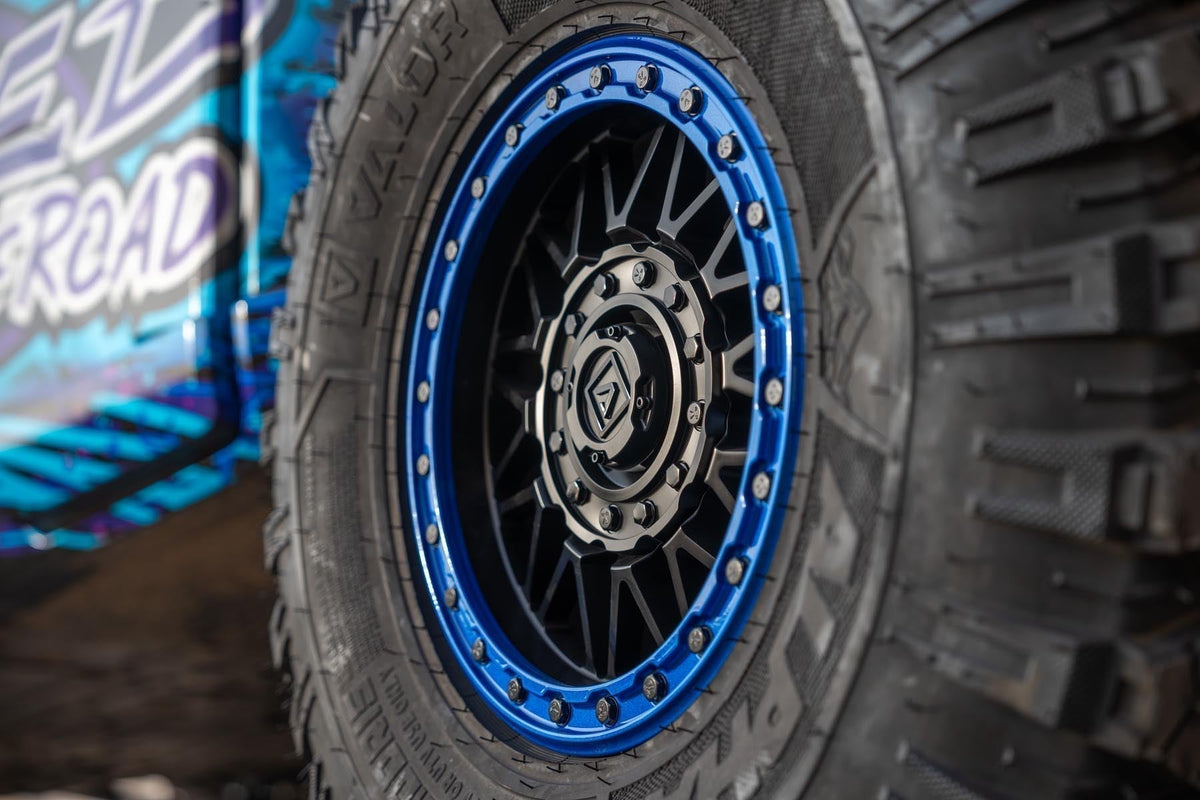
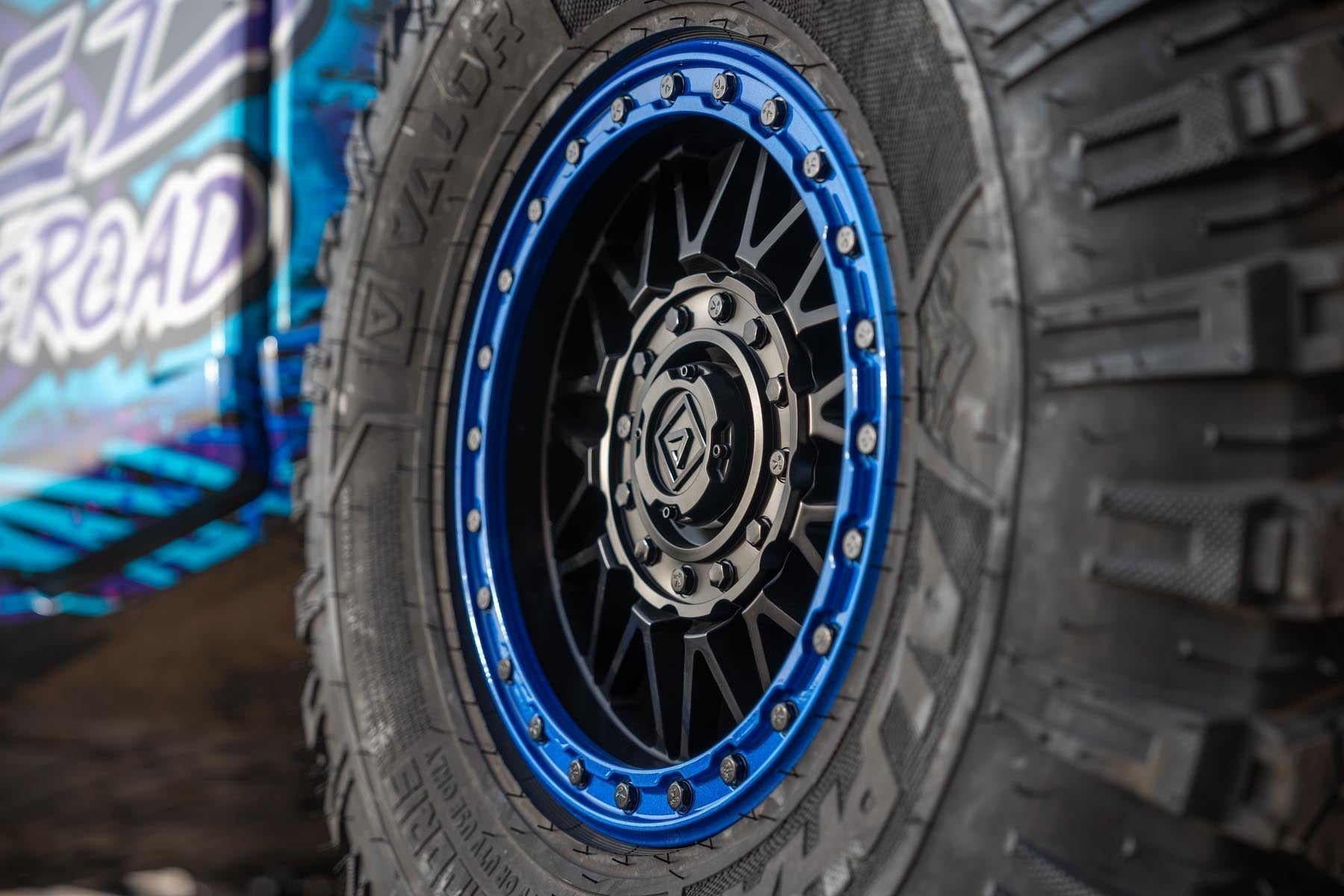
- Large, heavy tires: Bigger tires can be more out of balance.
- Sensitive steering: If your ATV shakes at speed, balancing could fix it.
For most trail riders, balancing is not needed. But for sporty ATVs, UTVs, or street-legal models, it can improve comfort and safety.
Credit: www.valoroffroad.com
Signs Your Atv Tires Need Balancing
Some symptoms tell you if your tires are out of balance:
- Vibration in handlebars or seat at higher speeds
- Uneven tire wear
- Noise or shaking after a tire change
- Difficulty steering or tracking straight
If you feel these problems, balancing may help. But sometimes, the cause is bent wheels or damaged suspension.
How To Balance Atv Tires
Balancing ATV tires is much like balancing car tires, but with some differences. Here’s how it’s done:
- Remove the wheel: Take the tire off the ATV.
- Clean the wheel and tire: Dirt can affect balancing.
- Use a balancing machine: Spin the wheel to find heavy spots.
- Add weights: Attach small weights to the rim.
- Re-check balance: Spin again to confirm.
Some shops use static balancing (manual spinner), while others use dynamic balancing (automated machine).
Diy Vs. Professional Balancing
You can balance tires at home using a simple stand and stick-on weights. But for best results, a shop with a machine is better. Professionals can spot other problems like bent rims or damaged tires.
Does Balancing Affect Atv Performance?
Balancing can make a big difference, especially for certain riders. Here’s how it helps:
- Reduces vibration: Smoother ride at speed.
- Improves tire life: Tires last longer with even wear.
- Protects parts: Less stress on suspension and bearings.
- Better control: Easier steering and handling.
For riders who stick to slow trails, these gains are small. But for high-speed or road use, balancing is more important.
Cost And Practicality Of Atv Tire Balancing
Balancing ATV tires is not expensive, but it’s not always easy. Here’s a look at typical costs:
| Service | Average Cost (per tire) | Time Required |
|---|---|---|
| Shop Balancing | $10–$25 | 15–30 minutes |
| DIY Kit | $30–$80 (one-time) | 20–45 minutes |
| Weights Only | $5–$15 | 5–10 minutes |
Shops may not offer balancing for ATVs unless requested. Some tires, especially very aggressive ones, are hard to balance due to their tread.
Common Myths About Atv Tire Balancing
Many riders believe balancing is pointless for ATVs. Here are some myths and the truth:
- ATVs never need balancing: Not true. High-speed and road ATVs benefit from it.
- Big knobby tires can’t be balanced: Most can, but it’s harder.
- Balancing is only for racing: Any rider can benefit, especially with new tires.
- Vibration always means bad tires: Sometimes, it’s just balance.
Some tire shops may not balance ATV tires because demand is low. But asking for it can prevent problems.
Non-obvious Insights Most Riders Miss
- Tire and wheel quality matters more than balancing. Cheap tires or wheels are often less precise and more likely to vibrate. Investing in better parts can reduce the need for balancing.
- Mud and debris can throw off balance. If you ride in muddy areas, cleaning your wheels regularly is important. Even balanced tires can become unbalanced if mud sticks to the rim.
- Check balance after tire changes. Even if you don’t balance every time, swapping tires or wheels can affect balance. It’s smart to check after big changes.
- Some ATVs have unique designs. For example, some UTVs (side-by-sides) use car-like tires and speeds, making balancing more useful.
Credit: www.valoroffroad.com
Comparing Balanced Vs. Unbalanced Atv Tires
To help you understand the real-world impact, here’s a comparison:
| Aspect | Balanced Tires | Unbalanced Tires |
|---|---|---|
| Ride Comfort | Smooth, less vibration | Rough, more vibration |
| Tire Wear | Even | Uneven |
| Handling | Precise | Can wander or shake |
| Suspension Life | Longer | Shorter |
| Cost | Low (one-time) | May lead to repairs |
Practical Advice: Should You Balance Your Atv Tires?
If you’re a casual trail rider, don’t worry about balancing. But if you:
- Ride fast
- Use your ATV on paved roads
- Feel vibrations
- Use large or heavy tires
Consider balancing, at least when you install new tires. It’s a small investment that can prevent bigger problems.
Many shops will balance for a low fee. If your ATV is used for work or racing, balancing is a smart choice.

Credit: www.reddit.com
Frequently Asked Questions
Do All Atvs Need Tire Balancing?
No, most ATVs don’t need balancing unless they ride at high speeds or on pavement. Trail and mud riders usually don’t feel the benefits.
How Do I Know If My Atv Tires Are Out Of Balance?
Look for vibrations, uneven tire wear, or shaking in the handlebars. If these happen, check your tires or have a shop inspect them.
Can I Balance Atv Tires Myself?
Yes, with a manual balancing stand and stick-on weights. It takes practice but is possible. For best results, use a shop with a machine.
Are There Downsides To Balancing Atv Tires?
The only downside is cost and time. For very aggressive tread tires, balancing can be hard. Otherwise, it’s safe and often helpful.
How Often Should Atv Tires Be Balanced?
Balance tires when installing new ones, after repairs, or if you notice vibration. Regular balancing is not needed unless you ride fast or on roads.
ATV tire balancing is a topic that’s often skipped but can make your ride smoother and safer. For most riders, it’s not essential, but for those who use their ATVs in unique ways—racing, road, or high-speed—it’s worth considering. Understanding the signs and knowing when to balance can save money and improve your experience. For more on tire maintenance, visit Tire Rack’s Tire Tech.
Remember, your ATV’s performance depends on many factors. Tire balancing is just one tool to help you get the most from your machine. If you feel vibrations or plan to ride at higher speeds, balancing is a smart step. Otherwise, enjoy the ride and keep your tires in good condition.